Loft Studio Photography Ideas: 8 Setups for Creatives

You arrive at a restored 1920s building in downtown Jenks, Oklahoma, with a shot list, a camera case, and no clear idea which room will carry the brief. One space has better window light. Another has stronger architectural detail. A third looks ideal until you discover that the furniture blocks the camera position and the only practical power outlet sits behind the subject.
That's the starting point for loft studio photography. The room isn't a passive backdrop. Its windows, ceiling height, floor plan, acoustics, furniture, access route, and working atmosphere decide what you can make efficiently.
Freeform House is envisioned as a premier, membership-based club in the heart of Jenks, Oklahoma's Ten District downtown. Comparable to the renowned Soho House, it offers more than a social club. Members can use co-working spaces and a community hub built for collaboration and connection. The building should therefore be photographed as a working environment, not a decorative set.
The eight setups below turn real rooms and workflows into repeatable plans. Each one gives you a practical direction for light, blocking, people, details, and production control.
1. Industrial Heritage with Modern Amenities
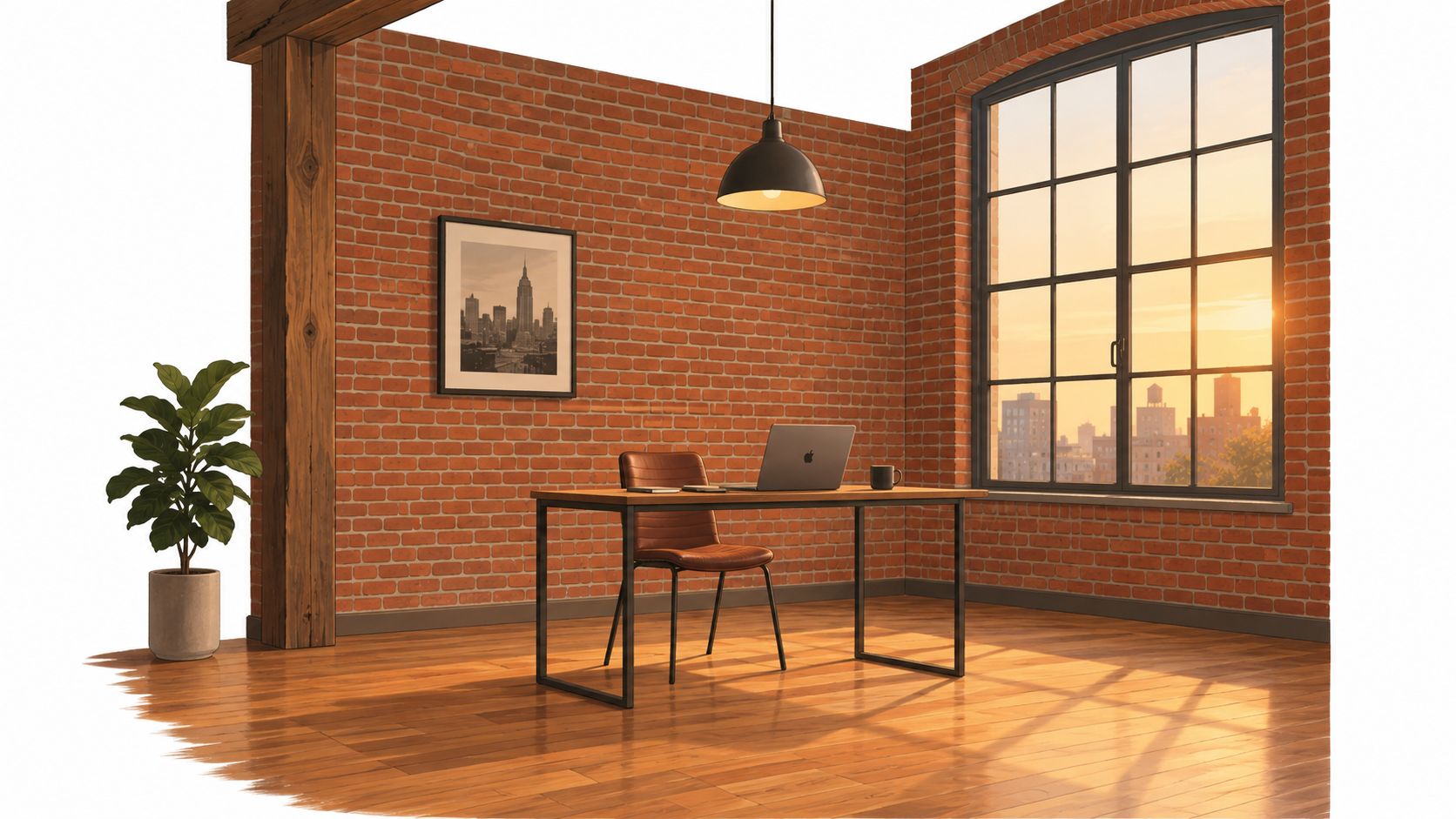
Start with the building before you start with the people. Exposed brick, original hardwood floors, older hardware, and restored architectural details should establish the frame. Contemporary furniture, modern fixtures, laptops, and clean technology can then enter as evidence that the space is active today.
This contrast works best when neither side overwhelms the other. Place a member at a wooden desk near the window, then let the brick wall and floor carry the architectural context. A modern chair or monitor should support the scene, not become the subject unless the brief is specifically about workspace design.
The historic setting has a clear local context. Downtown Jenks's Ten District covers 10 blocks west of the Arkansas River toward the old Midland Valley railroad tracks, and the initiative launched in late 2021, according to the City of Jenks. The Oklahoma Historical Society records that Jenks was officially platted on July 15, 1905, giving the surrounding streets a documented connection to the town's long physical history. Those facts support photography that shows the real building and neighborhood rather than generic loft imagery.
Build the frame in layers
Use the window as the first light source. During late-day light, turn the camera slightly across the room so texture appears on the brick and floor rather than flattening into frontal illumination. If the window creates excessive contrast, use a white reflector close to the shadow side of the subject. Keep the reflector outside the frame, but close enough to lift the face without erasing the room's shape.
Make a second pass without people. Photograph original hardware, tile work, floor transitions, and craftsmanship from the same camera position you'll use for the wider portrait. A before-and-after angle can also document how restoration and current use coexist.
For a practical reference on combining older materials with current workspace design, use this industrial chic office guide. The strongest result won't look staged. It'll show a professional using a functioning room that still carries its architectural history.
Practical rule: Let the old materials provide character, and let the modern objects prove that the room works.
2. Collaborative Workspace Candids
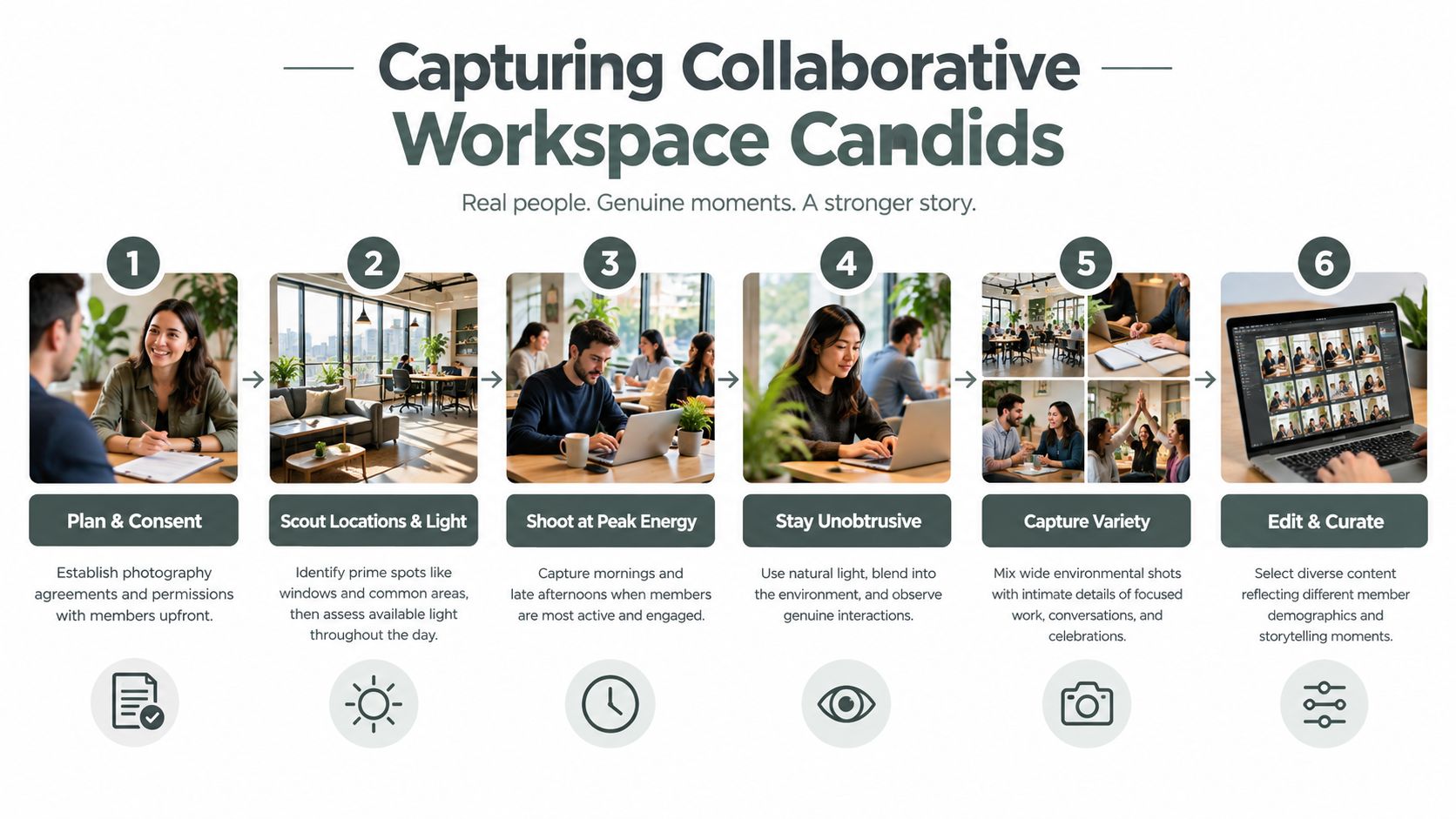
A collaboration photograph fails when everyone looks at the camera. It succeeds when the viewer understands what the people are doing, why they're gathered, and how the room supports the exchange.
Work from the edges of the activity. In the Hall of Fame Room, position yourself where you can see the conversation without becoming part of it. Use available window light when possible, and keep your movements slow. A long lens can help you maintain distance, but don't compress the scene so much that the room loses context.
Consent needs to be settled before the camera comes out. Members should know where the images will appear, whether the session is directed or documentary, and how long the photography will run. That agreement protects the people in the frame and gives you a cleaner working relationship.
Follow the rhythm of the room
Morning and late afternoon often provide useful activity because people are arriving, settling into work, switching rooms, and reconnecting. Don't force a group around a table just to create a community image. Observe a real exchange, then make small adjustments only when they won't interrupt it.
Look for moments with a clear visual action:
Shared attention: Photograph two people reviewing a screen, sketch, document, or sample.
Natural gestures: Wait for a handoff, a laugh, a point across the table, or a pause while someone listens.
Environmental scale: Include enough ceiling, windows, furniture, or circulation space to show where the exchange is happening.
Quiet concentration: Balance energetic conversations with individual work so the gallery doesn't reduce collaboration to constant smiling.
Vary your distance. A wide frame can show the room's social pattern. A medium frame can explain the conversation. A close detail of hands, notebooks, coffee, or a shared screen can carry the story without identifying every participant.
The aim isn't to manufacture a perfect coworking scene. It's to show the chemistry that develops when professionals have a place to work near one another.
3. Creative Production Showcase
The Rise loft studio should be photographed as production infrastructure, not just as an attractive room. A creator at work, the equipment around them, and the route from setup to finished content should all appear in the visual system.
Begin with a wide frame that establishes the studio's 1,300-square-foot footprint and its working zones, including the photography studio setup. Freeform House describes The Rise as having north-facing windows, original hardwood floors, a styled bed setup, a seating area, and a changeable-color drapery wall. Those features give you several distinct looks without turning the shoot into a collection of disconnected room photos.
Use the north-facing windows as a stable daylight source for portraits or creator-at-work scenes. Keep the subject far enough from the wall to preserve separation. If you need more control, flag one side of the window light rather than flooding the room with extra fixtures. The goal is to keep the space believable while making the subject readable.
Photograph the full pipeline
A podcast booth needs more than a microphone shot. Show the person preparing, recording, monitoring, reviewing, and editing. Detail frames of acoustic treatment, cable routing, controls, headphones, and hands on equipment communicate care and competence.
The same principle applies to photography. Capture the pre-production table, the light being adjusted, the subject being directed, and the image review on screen. For video, include the relationship between camera, talent, monitor, and background.
Use different creator types across the session. A podcaster demonstrates sound work. A photographer demonstrates lighting and blocking. A video producer demonstrates the connection between a prepared set and a finished sequence.
The following video can sit later in the page as a process reference for the collaborative production story.
Keep the technical images honest. Don't add cables, screens, or equipment just to make the room look busier. Real production details are more persuasive than decorative clutter.
4. Event Hosting and Entertaining
An event gallery should explain the guest journey. Start before the room fills, then record the transformation, arrival, dining, conversation, and departure. A single room photograph can sell décor. A sequence can show whether the venue supports an actual event.
Freeform House has four distinct rooms, the Hall of Fame Room, Freeform Room, Executive Room, and Thomas Room. Photograph each in at least one useful configuration. An empty wide frame establishes capacity and layout. A styled frame shows the design language. A guest-centered frame proves how people move and interact inside it.
Photograph the room before the guests
Make a clean architectural exposure before placing tables, flowers, food, or signage. Then build the event in layers. Photograph the table setting close enough to show texture, but keep some environmental context so the image doesn't resemble a catalog cutout.
For social events, work at the edge of the action. Use the room's ambient light when it contributes to the mood, then add a controlled source only when faces disappear. A bounced flash or soft off-camera source can preserve the room while giving you consistent skin tone across the sequence.
Capture more than the toast. Arrival, coat placement, greetings, food service, a quiet conversation, and guests leaving all help a prospective host understand the experience. Ask the event team to repeat a meaningful action only when necessary, such as placing a dish or opening a door. Don't interrupt genuine interactions for a cleaner but less credible photograph.
Local restaurant partnerships should be shown through real service, food, and vendor interaction. The image should make it clear that hospitality is part of the event workflow, not a prop arranged after the guests leave.
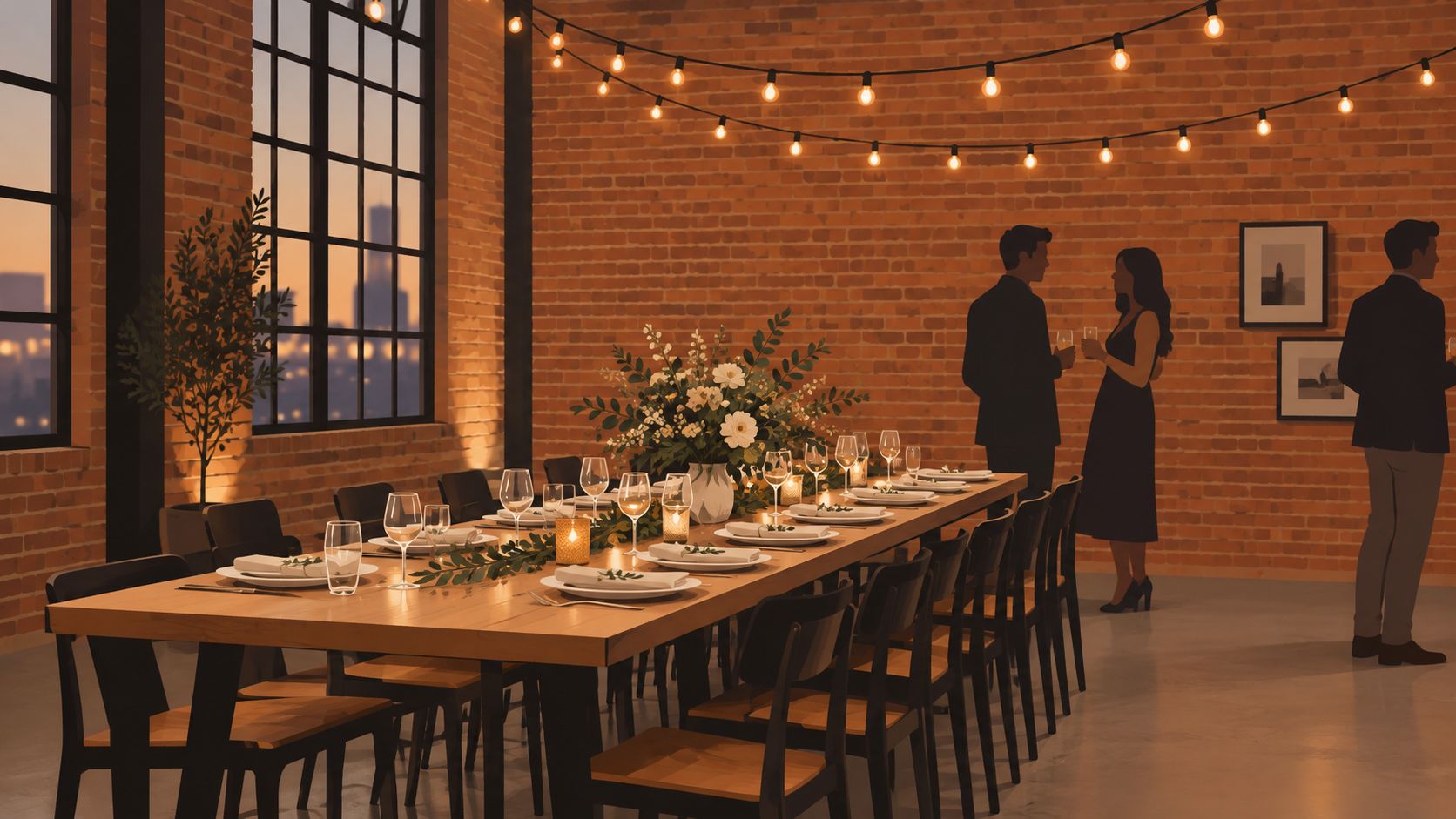
A useful event set includes room transitions, not only hero angles. Photograph the same space in a daytime configuration and an evening configuration when possible. That gives planners a practical sense of how light, furniture, and atmosphere change.
5. Member Lifestyle and Daily Experience
Lifestyle photography works when it follows a person through decisions and transitions. It doesn't work when every frame is a person smiling beside an amenity.
Choose two or three willing members with different working patterns. Follow one from arrival to a focused work session. Follow another through a meeting, meal, informal conversation, and departure. Keep the camera ready during the gaps between activities, because those transitions show how the club fits into a real day.
Start with quiet morning light. Photograph the building opening, coffee being collected, a bag placed beside a workstation, and the first screen or notebook being opened. Later, move into busier scenes. The contrast between concentration and social energy gives the final gallery a believable pace.
Make convenience visible through action
Amazon Hub Lockers and the rentable golf cart fleet shouldn't be photographed as isolated features with no human context. Show the practical task they support. A member collecting a package, moving between destinations, or returning to work explains the benefit more clearly than a product-only frame.
The same approach applies to local food and coffee partnerships. Photograph a meal arriving at the right moment, colleagues sharing it, or a member using the service between meetings. Avoid turning the food into an advertisement unless the partner has approved that treatment.
Use a loose route for each member:
Arrival: Establish the entrance, street context, and first action.
Work: Show a real task with the room supporting concentration.
Connection: Capture an unscripted exchange, not a staged handshake.
Transition: Follow movement between rooms, meals, meetings, or errands.
Departure: End with a natural closing action, such as packing equipment or saying goodbye.
Keep some frames imperfect. A partially obscured face, a moving hand, or a chair being pulled into place can make the sequence feel observed rather than manufactured. The finished work should present Freeform House as part of professional life, not as a showroom that people visit only for photographs.
6. Architectural Detail and Craftsmanship
Detail photography needs discipline. A close-up of a handle is easy to make. A close-up that explains its material, age, relationship to the building, and connection to current use requires more thought.
Work from wide to tight. Photograph the staircase or doorway first so you understand the surrounding geometry. Then move to the rail, hardware, molding, tile, or flooring pattern. Include a few frames with a hand, tool, notebook, or other scale reference. Without that reference, viewers may misjudge the size of the feature.
A normal focal length is often a safer baseline for architectural and people images than an extreme wide angle. Peer-reviewed research on perceived perspective explains that long lenses can compress space, while short lenses can expand depth and make faces appear rounder. The study identifies 50 mm on a 35 mm camera format, or a focal length close to the sensor's diagonal, as a commonly used baseline for natural-looking perspective in the research on photographic perspective.
Preserve texture without exaggeration
Use a tripod when the detail requires careful alignment. Focus on the plane that carries the craftsmanship, and check the edges for distortion before moving on. For reflective hardware, shift your angle instead of trying to remove every reflection in post. Reflections can describe the room around the object.
Photograph the same element under different conditions. Window light may reveal surface texture. A controlled side light may show relief in molding or tile. A flatter frame can document restoration accurately. Keep color grading restrained. Over-saturation can make historic materials look synthetic.
A short detail sequence might include:
A wide architectural context frame.
A medium frame connecting the detail to the room.
A close view of the material or construction.
A human-scale frame showing current use beside the preserved feature.
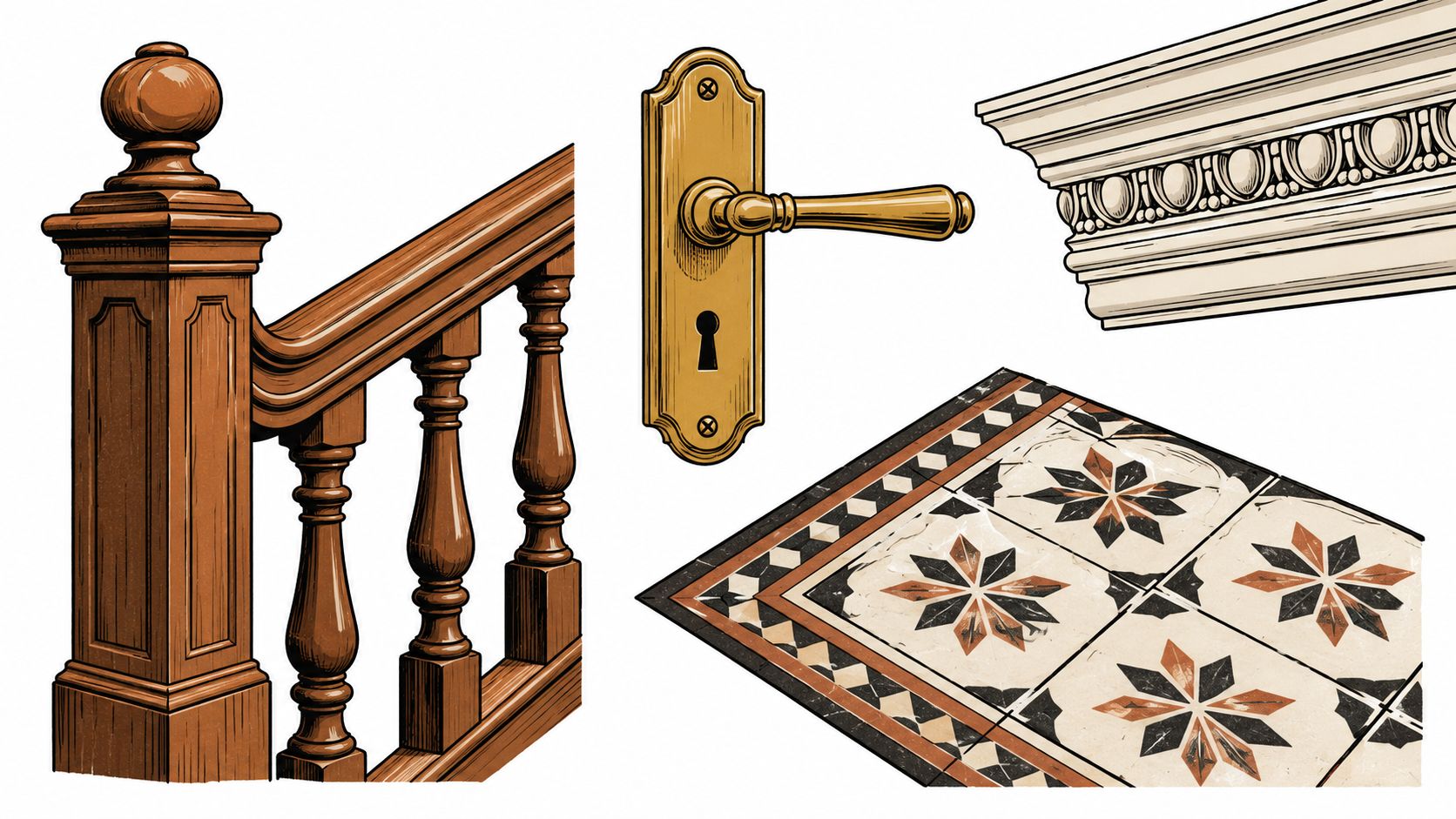
That sequence helps Freeform House show restoration quality without pretending the building is a museum. The details matter because people still work, meet, eat, and create around them.
7. Local Community Integration and Partnership
A community photograph needs a location cue. Without the street, storefront, vendor, sign, or recognizable building relationship, the image could belong to any coworking space in any city.
Downtown Jenks gives Freeform House a specific setting. The Ten District is a defined redevelopment area west of the Arkansas River, extending toward the old Midland Valley railroad tracks. Photograph the route between the building and surrounding businesses. Include real signage where permissions allow. Show a delivery, a collaboration, a shared meal, or a community event that connects the club to its neighbors.
Put partnerships into the frame
A local coffee or restaurant relationship becomes meaningful when the service is visible in context. Photograph a vendor delivering food, members receiving it, and the meal being used in a real meeting or social moment. If you're creating accompanying editorial content, obtain written approval before publishing partner names, testimonials, or direct quotes.
Use a mix of scales. A street-level wide shot anchors the story in Jenks. A medium frame shows people moving between the club and nearby businesses. A close detail can capture packaging, hands, signage, or a shared table.
The same care applies to community events. Don't photograph only the speaker or the branded backdrop. Show the audience arriving, local businesses participating, and people talking after the formal program. Diversity should come from genuine attendance, not from casting a generic crowd after the event.
The community entrepreneurship perspective can help shape the editorial story around collaboration and local commerce. The photographs should then prove that story through real encounters.
Jenks's Arkansas River setting and transportation history also provide useful context for exterior work. Use the surrounding streets, façades, and preserved architectural character as part of the visual narrative. Avoid clip art, generic downtown illustrations, or stock images that make the club appear detached from the place it serves.
8. Executive Meeting and Decision-Making Spaces
Executive meeting photography has two jobs. It must make the room look polished, and it must show that people can make decisions there without fighting the space.
Photograph the Executive Room and Hall of Fame Room empty first. Clear tables, align chairs, test screens, and remove anything that doesn't belong to the meeting. Use a level camera position and keep vertical lines controlled. A wide-angle frame can show layout, but don't push it so far that the room appears larger or more distorted than it feels in person.
Then add a small group. Use willing members or professional actors who understand how to hold a meeting naturally. Give them a real task, such as reviewing a presentation, discussing a document, or joining a video call. A staged meeting looks credible when the participants have something specific to do.
Photograph decisions, not just furniture
Capture the meeting from several working positions. One angle should show the presenter and screen. Another should show participants in profile or three-quarter view. A close frame can show notes, a shared document, or a hand moving across a presentation. Keep the technology active, but don't let glowing screens dominate every image.
The room should also communicate comfort and privacy. Photograph seating depth, table clearance, lighting options, and the relationship between windows and screens. If the room has a view, use it as a secondary layer rather than allowing it to overpower the people.
A premium meeting room is judged by what people can accomplish inside it, not by how empty and expensive it looks.
Use exterior and corridor frames to explain access and separation. A client deciding on an offsite needs to understand how guests arrive, where conversations remain private, and how the meeting space connects to the rest of the club.
The final gallery should include:
A clean room view: Show furniture, finishes, and technology without people.
A working meeting: Capture discussion, presentation, and attentive listening.
A technology detail: Show video conferencing or screen sharing in use.
A privacy cue: Use a doorway, corridor, or exterior relationship to establish separation.
A human conclusion: End with people leaving the room or continuing the conversation.
Loft Studio Photography: 8-Point Comparison
Concept | Implementation Complexity 🔄 | Resource Requirements ⚡ | Expected Outcomes ⭐📊 | Ideal Use Cases 💡 | Key Advantages ⭐ |
|---|---|---|---|---|---|
Industrial Heritage with Modern Amenities | Medium–High 🔄, balance period + contemporary | Medium ⚡, skilled stylist, timed light, props | High ⭐📊, aspirational, press-ready imagery | Branding for adaptive reuse, creative membership | Distinctive character; strong storytelling |
Collaborative Workspace Candids | High 🔄, unpredictable, ongoing capture | Medium ⚡, extended access, consent processes | High ⭐📊, trust-building, relatable social content | Social media, community recruitment, UGC campaigns | Authenticity; relatable member narratives |
Creative Production Showcase | Medium 🔄, technical staging + live shoots | High ⚡, production gear, creators, crew | High ⭐📊, attracts creators, partnership leads | Studio rentals, creator marketing, sponsorships | Positions venue as professional production hub |
Event Hosting and Entertaining | High 🔄, time-sensitive, varied setups | High ⚡, event coordination, catering, permissions | Medium–High ⭐📊, venue bookings, emotional connection | Event marketing, weddings, private/corporate functions | Demonstrates versatility and hospitality |
Member Lifestyle and Daily Experience | High 🔄, longitudinal storytelling required | High ⚡, multi-day shoots, member access, consent | High ⭐📊, holistic membership appeal, retention | Brand storytelling, onboarding, lifestyle campaigns | Communicates integrated convenience & community |
Architectural Detail and Craftsmanship | Medium 🔄, technical macro work in controlled shoots | Medium ⚡, macro lenses, cleaning, staging time | High ⭐📊, credibility, publication-quality assets | Restoration portfolio, design press, investor pitches | Showcases restoration quality and authenticity |
Local Community Integration and Partnership | Medium 🔄, coordinate external partners | Medium ⚡, partner access, event capture, permissions | Medium ⭐📊, local goodwill, cross-promotion | Community outreach, partner marketing, PR | Builds local credibility; partnership marketing |
Executive Meeting and Decision-Making Spaces | Medium 🔄, style without sterility | Medium ⚡, tech staging, privacy protocols, talent | High ⭐📊, premium leads, corporate bookings | Executive retreats, board meetings, high-end rentals | Commands premium pricing; corporate positioning |
Turning These Setups Into Your Next Booked Shoot
Don't begin by trying to photograph everything. Pick the setup that matches the job in front of you. A founder's brand session may need industrial heritage and modern amenities. A coworking campaign needs observation and consent. A podcast launch needs technical production details. An event planner needs room configurations, guest movement, food, and atmosphere.
Once you've chosen the direction, write a small recipe before you arrive. Name the primary room. Decide whether the subject works beside the window, across it, or against a wall. Choose the first wide frame, the first human action, and the detail that proves the room's function. This takes less time than improvising after the crew and client are already inside.
Light direction should be equally concrete. For window-led portraits, decide which side of the face receives the brighter exposure and where the shadow falls. For architectural work, identify the surface that needs side light. For executive meetings, test whether the screen, faces, and room background can hold detail in the same exposure. A loft can offer beautiful daylight, but uncontrolled daylight can also change during the booking and shorten the useful window. Location guidance on photo shoots specifically warns that a sunset's usable light period can be shorter than the full reservation, so build a timed lighting test and a backup plan into the schedule using this location-planning guidance.
Sound matters when the shoot includes interviews, podcast work, workshops, or video direction. Hard floors, brick, glass, and tall ceilings can make speech less intelligible. In one large industrial photography studio measuring approximately 12 × 26.5 m with a 4.2 m ceiling, measured reverberation time was 1.695 seconds. The recommended intervention was sound-absorbing panels aimed at an RT60 of approximately 0.8 seconds or lower, as described in this studio acoustics reference. Treat that as a production question, not a cosmetic one. Record a short voice test before committing to a full interview or podcast setup.
Access can undo an otherwise excellent location. Confirm whether cases fit through the entrance and elevator. Measure doors. Ask about loading windows, freight access, stairs, power placement, ceiling clearance, restroom access, furniture movement, climate control, and weather contingencies. The best-looking loft may become the worst commercial studio if every light stand arrives through a narrow staircase and the crew loses productive time before the first frame.
Freeform House offers a practical setting for several of these recipes. The restored 1920 building combines historical character with current workspace and meeting functions. The Rise adds a dedicated loft studio for photography and content creation. The four rooms support different scales of gathering, while the podcast booth supports a more controlled production workflow.
Before you commit to a date, confirm room availability, access, equipment terms, loading conditions, furniture flexibility, power, sound expectations, and usage permissions directly with Freeform House through freeform.house. Then sketch the light direction and pose plan for your selected setup, even if the plan is only a page. You'll arrive with a working method instead of a mood board, and you'll know which parts of the room are carrying the photograph.
Freeform House offers a restored downtown Jenks setting, member workspace, four meeting and event rooms, The Rise loft studio, and an in-house podcast booth for photography and content production. If you're planning a realistic loft studio photography session, visit Freeform House to review the space and discuss the room, access, and terms that fit your shoot.
Comments