10 Small Business Event Ideas for 2026

You don't need a conference, elaborate stage production, or a packed ballroom to make an event worthwhile. A focused gathering can help a small business build trusted relationships, create reusable content, support local commerce, or give members a reason to return.
That matters because events have become a recurring growth channel for many small businesses. A 2024 SMB survey found that 78% expected to spend more than $10,000 a year on event marketing, while 82% planned to host five or more marketing events, up from 73% in 2023 (UpCity's event marketing survey). The practical lesson isn't to spend more. It's to choose a format that fits the audience, the room, the production effort, and the action you want people to take afterward.
The following small business event ideas are designed around real outcomes, including learning, connection, visibility, productivity, and community impact. Freeform House, in the heart of Jenks, Oklahoma's 10 District downtown, offers a historically grounded setting for testing those formats. Its restored 1920 building combines workspace, four distinct rooms, The Rise loft studio, an in-house podcast booth, and local food and beverage partnerships.
Each concept works best when the event has one clear audience, a manageable setup, and a follow-up asset such as a meeting, recording, referral, resource, or next gathering.
1. Executive Roundtable Series
Senior leaders rarely need another broad networking event. They need a confidential setting where they can compare decisions, challenge assumptions, and leave with a useful perspective.
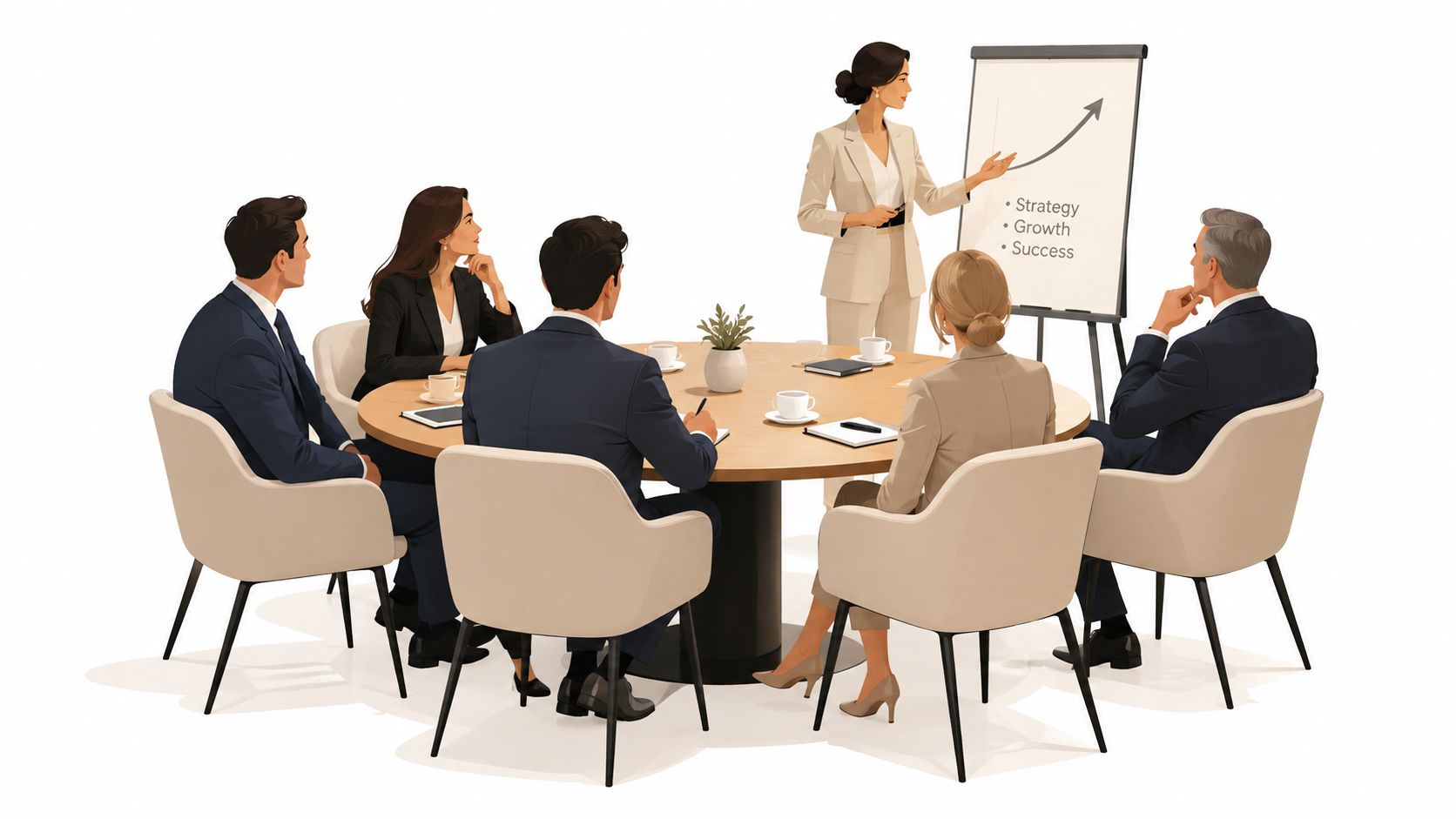
An executive roundtable breakfast brings local business owners and C-suite leaders together around one defined topic, such as scaling operations, leadership development, succession planning, or changing customer expectations. A rotating facilitator, drawn from an experienced entrepreneur, consultant, or business school partner, keeps the conversation moving without turning it into a lecture.
The Executive Meeting Room gives the gathering a natural home. Arrange one circular table, provide a clear opening question, and ask each participant to bring a current challenge rather than a prepared presentation. Complimentary breakfast from a curated local restaurant partner creates a polished experience while removing another planning task.
Practical rule: Protect the discussion before you promote the event. A carefully selected room is more valuable than a large registration list.
Use a private Slack channel to continue the exchange between meetings. With permission, record selected sessions for a member-only archive, but don't assume every executive wants a camera present. Survey members well ahead of each gathering to identify relevant topics, then use a simple RSVP system to give the caterer an accurate headcount. Rotating between breakfast, lunch, and after-hours sessions can also make the series accessible to leaders with different schedules.
The trade-off is scale. A small room limits reach, but it creates the trust required for candid peer advice. Vistage-style peer groups, YPO roundtables, and strong chamber leadership breakfasts all demonstrate the appeal of structured conversation over unfiltered mingling.
2. Creative Portfolio Launch Events
A portfolio launch should feel like an opening night, not a crowded sales pitch. Photographers, designers, web developers, artists, and content creators need enough attention for their work to be understood, while potential clients need an easy way to start a conversation.
Select a small group of featured creators and give each one a distinct display area. The Hall of Fame Room can serve as the main gallery, while other rooms support conversation, demonstrations, or private client discussions. A local brewery partner can provide a signature drink, but the creative work should remain the main attraction.
The creative studio rental options can also support preparation, portrait sessions, or follow-up production for participating creators. That connection turns a single reception into a broader content and workspace opportunity.
Keep discovery selective
Create a straightforward application process and mix established professionals with emerging talent. Ask each creator for a short artist statement that explains who they serve, what problem their work solves, and what kind of collaboration they want next. Invite small business owners, marketing directors, local agencies, and media representatives rather than relying only on a public social post.
Photograph the installation and the conversations with permission. Those images can support each creator's portfolio and Freeform House's promotion, but they must look like real event photography. Avoid clip art, artificial-looking visuals, and generic stock scenes. A premium creative event depends on authentic documentation.
The main trade-off is curation. Rejecting applicants may reduce immediate participation, but an overcrowded showcase makes every portfolio harder to remember. Consider a modest vendor fee or a clearly defined profit-share arrangement only if it supports production without making the event feel transactional.
3. Podcast and Content Creator Workshop Series
An aspiring podcaster can understand the theory of recording and still struggle when a microphone is live, a guest is late, or an edit becomes unmanageable. A practical workshop should put participants in the equipment environment they hope to use.
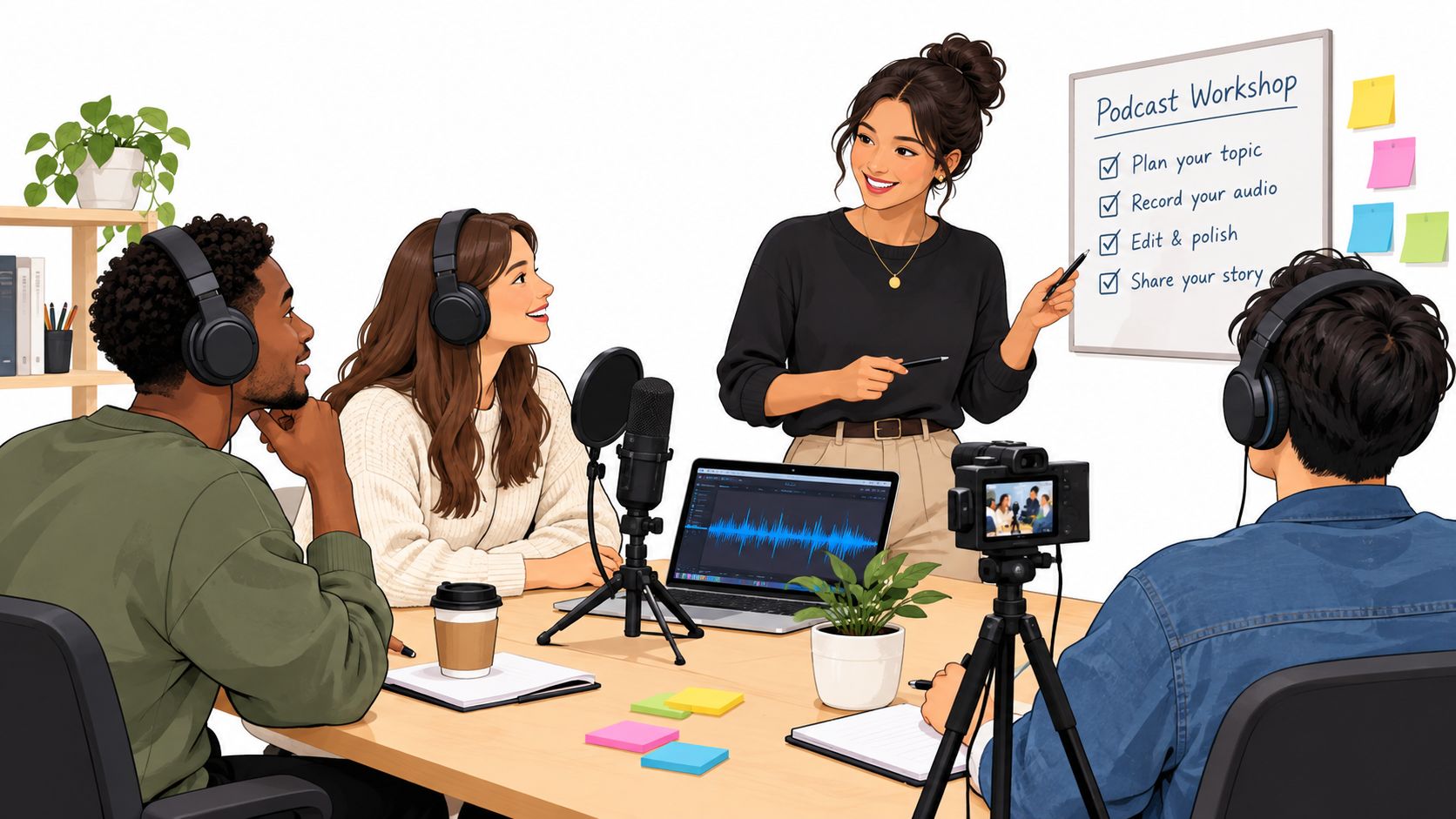
Freeform House's in-house podcast booth and The Rise loft studio create a useful foundation for afternoon sessions on equipment setup, editing software, guest booking, monetization, and audience development. Use the Freeform Room for instruction, then move participants into the booth for hands-on practice. A session can include a short recording exercise, a basic edit, and a review of what worked.
The guide to starting a podcast can become a pre-event resource, giving attendees a shared vocabulary before they arrive. Follow the workshop with a studio rental discount or a bundled launch package so participants have a clear next step.
Teach the workflow, not just the gear
Bring in local podcasters, audio engineers, and digital agencies as facilitators. Survey Tulsa creator communities before setting the curriculum, and keep the material grounded in common obstacles such as noisy rooms, weak introductions, inconsistent publishing, and unclear guest outreach.
With permission, record portions of the workshops for a future resource library or online course. Participant stories can also become marketing content, provided the people involved understand how their recordings will be used.
The trade-off is technical complexity. More equipment can make a session impressive, but it can also overwhelm beginners. Start with a reliable recording workflow, explain why each tool matters, and leave advanced production for a later session.
4. Intimate Wedding and Event Hosting Experience
A boutique venue earns business by simplifying decisions. Couples and event hosts often need more than attractive rooms. They need help coordinating food, timing, vendors, lighting, technology, and the transition between ceremony, dinner, and celebration.
Freeform House's restored 1920 building, three-story layout, kitchenette, ambient lighting, and technology infrastructure support intimate weddings, rehearsal dinners, milestone celebrations, and corporate gatherings. Room configuration can accommodate 50 to 150 guests depending on the event type and setup, making the venue more suitable for a carefully planned gathering than a large conventional reception.
Offer packages for ceremony-only use, a full event day, or a rehearsal dinner. Local restaurant partnerships can simplify catering, while preferred photographers, florists, musicians, and videographers give clients a trusted starting point. A day-of coordinator, either on staff or through a partner, should own the schedule and vendor handoffs.
Sell confidence, not just square footage
Members can receive a home-advantage rental structure, which connects venue use to the broader membership product. Every event should be photographed professionally with permission, and hosts should be invited to provide testimonials and referral consent afterward.
The event hosting experience also needs clear boundaries. A beautiful venue won't compensate for vague arrival times, uncertain catering responsibility, or an undefined cleanup plan. Give clients a written planning checklist and identify who handles each operational decision.
The strongest marketing imagery should show the actual architecture, table settings, guests, and lighting. Don't use clip-art illustrations or overly polished scenes that misrepresent the venue. Authentic documentation helps couples understand what their own event could feel like.
5. Small Business Masterclass Series
A masterclass earns repeat attendance when participants can apply the lesson the next morning. Useful topics include accounting fundamentals, legal structure, hiring, marketing strategy, fundraising, and customer acquisition, provided the facilitator grounds the discussion in local business realities.
Run weekday evening sessions in the Freeform Room with slides, examples, and time for questions. SCORE, the Small Business Administration, local SBDCs, universities, and experienced Oklahoma entrepreneurs can help supply speakers and promote the program. The room should support both presentation and conversation, because early-stage owners often need clarification more than another slide.
Give each attendee a practical resource, such as a cash-flow template, hiring interview guide, campaign brief, or list of questions for a professional adviser. Offer facilitator office hours after selected sessions for participants who need help translating general guidance into a specific decision.
Make the series cumulative
A free member benefit can build participation, while non-member tickets can introduce prospective members to the workspace. Avoid making the certificate or attendance reward more important than the learning. A simple completion recognition can work, but the core retention mechanism is a coherent sequence of useful topics.
Record sessions with permission and organize them into a member archive. Pair each recording with recommended tools, templates, and reading so the archive remains usable rather than becoming a folder of forgotten videos.
The trade-off is speaker quality. A recognizable name may attract registrations, but a practitioner who can explain an actual decision is often more valuable. Vet facilitators for clarity, local relevance, and willingness to answer difficult questions.
6. Collaborative Coworking Challenges and Accountability Groups
Remote workers and solo entrepreneurs don't always need another networking mixer. Sometimes they need a quiet place to finish the proposal, publish the article, reconcile the books, or make the sales calls they keep postponing.
A recurring accountability session can begin with a focused work block, followed by a progress check and an optional social wind-down. The facilitator's job is simple but important: welcome newcomers, keep the timing consistent, and make each person state a specific outcome before work begins.
Start with one reliable weekly slot rather than scattering attendance across several days. Themes can attract different cohorts, including Content Creation Wednesday, Launch Week, or Financial Planning Friday. A Slack channel can handle pre-session goals and post-session updates, while a shared sheet provides a lightweight record without forcing participants into a complicated platform.
People return to accountability groups when the structure helps them work, not when the structure becomes another task.
An accountability buddy system can deepen the experience for participants who want more support. A local lunch partnership can also remove the awkward question of what happens after the work block.
Measure the program through attendance patterns, repeat participation, and member retention rather than applause at the end of a session. The trade-off is that productivity events need quiet. If introductions and socializing expand too far, the format loses the benefit that brought people there.
7. Leadership and Team Development Offsites
A team offsite should produce a decision, a plan, or a better working relationship. If the group spends the day moving between generic activities without addressing a real business issue, the venue becomes an expensive change of scenery.
Freeform House can support custom half-day or full-day sessions for executive teams and leadership groups. Use different rooms for plenary discussion and breakout work, then bring everyone together to document decisions. An external facilitator can lead strategy, leadership assessment, team development, market-entry planning, or organizational change while the venue manages setup, technology, catering, and timing.
Build an offsite around the client's problem
Begin with a discovery conversation. Ask what the team must decide, what has blocked progress, who needs to contribute, and what should exist by the close of the session. Recommend facilitators from a local network of business coaches and organizational development specialists when the client doesn't have one.
Create clear half-day, full-day, and repeat-client packages. A corporate account structure can support companies that host several sessions, while a planning checklist helps the client prepare materials, room layouts, dietary information, and technology needs.
The trade-off is customization. Tailoring every detail can improve relevance, but it can also create scope confusion. Document what the venue handles, what the facilitator owns, and what the client must provide before the booking is confirmed.
A serious offsite needs hospitality standards that match the business purpose. Check room readiness before arrival, protect the agenda from avoidable interruptions, and organize post-session materials so participants can act on the work.
8. Freelancer and Solopreneur Social Series
Freelancers often want community without the pressure of a formal sales exchange. A monthly social series can give independent contractors, consultants, designers, developers, and solo business owners a place to compare experiences and make referrals naturally.
Keep the program light. Use a simple discussion prompt, local appetizers, drinks, and plenty of unstructured mingling. The Freeform Room suits a seated conversation, while the Hall of Fame Room works better for a standing mixer. Rotate the layout according to the expected mood, not just the available furniture.
Choose a consistent evening, such as the last Thursday of the month, and publish an RSVP page that helps with catering and headcount. Recruit a few regular attendees as community ambassadors. Their job is to greet newcomers and make introductions, not to dominate the room.
Useful touches include a referral wall where attendees can post their services, a rotating theme about a current business challenge, and permission-based event photography. A restaurant partnership can reduce food costs while giving the partner local visibility.
Connection beats choreography: Give people enough structure to meet, then leave room for the relationship to develop.
The trade-off is measurement. A social gathering may generate referrals or future collaborations that aren't visible immediately. Track repeat attendance, introductions, follow-up meetings, and member conversations rather than forcing every interaction into a direct sales metric.
9. Youth Entrepreneurship and Career Exploration Days
Young people need access to real business stories, not only abstract advice about entrepreneurship. A Saturday program can introduce high school students, college students, and early-career professionals to local founders, creative careers, and the practical steps behind building a business.
Use Freeform House's historical character and modern workspace to create an environment that feels different from a classroom. Combine short talks with a pitch exercise, business-plan workshop, startup simulation, or mentor conversation. Local entrepreneurs can explain what their work actually involves, including mistakes, uncertainty, and the skills they wish they'd developed earlier.
Partner with schools, community colleges, universities, chambers, nonprofits, and youth entrepreneurship organizations for recruitment and credibility. A student advisory group can help shape topics and make the program more relevant. Keep access free or low-cost where possible, and consider a future membership incentive for participants who want continued workspace or community access.
Extend the relationship beyond Saturday
Build each session toward a capstone pitch competition or mentorship match. Recruit members as volunteer speakers and mentors, then give them a clear role and preparation guidance. Collect participant feedback and document student stories only with appropriate permission.
The main trade-off is safeguarding and program management. Youth events require careful consent procedures, responsible adult supervision, accessible communication, and a curriculum that respects different experience levels. Treat those requirements as part of the event design, not as last-minute administration.
Community impact becomes more credible when participants can identify a next step. A mentor introduction, business resource, campus connection, or follow-up workshop gives the program value beyond inspiration.
10. Local Business Spotlight and Media Interview Series
A small business interview can become more than an evening gathering. With a reliable recording workflow, one conversation can create a long-form episode, short video clips, social posts, an email feature, and a useful introduction to the local business community.
Use Freeform House's podcast booth and video infrastructure to interview one entrepreneur at a time. Ask about the founder's path, current challenge, customer insight, and view of the local market. The interview should serve the guest, not only the host. Send talking points in advance, explain the release schedule, and make the guest comfortable with the recording process.
Give every featured business a media kit containing episode files, audiograms, suggested social copy, and a simple sharing plan. Batch-recording can improve studio efficiency, while short clips make the content easier for guests to distribute. Track downloads, views, and engagement, then share the results with participants so they can judge whether the appearance supported their visibility.
Turn every interview into a relationship asset
Use the series to introduce businesses to one another, invite guests to future events, and show prospective members how the community operates. Featured businesses may also become venue-rental clients or partners for workshops and local programming.
The trade-off is editorial consistency. A weekly release schedule demands preparation, guest coordination, sound checks, editing, approvals, and distribution. Create an onboarding packet and calendar before announcing the series. Authenticity matters more than polish, but poor audio, unclear consent, or irregular publishing can undermine trust.
10 Small Business Event Ideas, Comparison Matrix
Program (Target Audience) | 🔄 Implementation Complexity | ⚡ Resource Requirements | 📊 Expected Outcomes | 💡 Ideal Use Cases | ⭐ Key Advantages |
|---|---|---|---|---|---|
Executive Roundtable Series (C‑suite executives & business owners) | Moderate, curated facilitators, RSVP & topic planning | Low–Moderate, venue, facilitator stipend, breakfast catering | High peer learning, member retention, thought leadership | Small-group executive problem‑solving, member retention programs | Exclusive peer trust; high perceived value; strong referrals |
Creative Portfolio Launch Events (Photographers, designers, creatives) | Moderate, curation, multi‑room exhibit setup | Moderate, lighting, displays, weekend staffing, promotion | Strong portfolio exposure, content creation, rental revenue | Portfolio showcases, client acquisition nights, creative networking | High-quality marketing content; creative community hub |
Podcast & Content Creator Workshops (Aspiring podcasters/creators) | Moderate, curriculum + hands‑on studio facilitation | Moderate, studio time, instructor, recording/editing resources | Increased studio bookings, skill development, creator pipeline | Launch workshops leading to studio rentals and ongoing bookings | Builds long‑term studio customers; produces marketing assets |
Intimate Wedding & Event Hosting (Couples, event planners) | High, full event coordination, day‑of logistics, compliance | High, staffing, catering partners, AV, insurance, weekend ops | High-ticket weekend revenue, referrals, extensive portfolio content | Boutique weddings, rehearsal dinners, milestone events | Premium venue positioning; high margins; strong referrals |
Small Business Masterclass Series (Early‑stage entrepreneurs) | Low, structured sessions, speaker recruitment | Low–Moderate, facilitator honoraria, slides, recording, refreshments | Attracts members, builds credibility, reusable recorded assets | Practical business skill nights, member education programs | Low cost with high perceived value; repeat engagement |
Collaborative Co‑Working Challenges & Accountability Groups (Remote workers, freelancers) | Low, recurring facilitation and habit formation | Low, coordinator time, minimal refreshments, digital tools | Consistent weekday traffic, improved retention, stronger community | Weekly focus sessions (Pomodoro/accountability) for freelancers | Habit‑forming community ritual; low operating cost |
Leadership & Team Development Offsites (Executive teams) | High, custom agendas, facilitator coordination, prep | High, full‑day logistics, catering, AV, facilitator fees | High‑ticket revenue, deeper corporate relationships, referrals | Strategic planning retreats, leadership alignment offsites | Premium corporate positioning; lucrative per‑event revenue |
Freelancer & Solopreneur Social Series (Independent contractors) | Low, casual recurring events, light programming | Low, appetizers/beverages, community hosts, marketing | Builds peer networks, organic referrals, recurring engagement | Monthly mixers for referrals, informal community building | Very low cost; strong community ROI; scalable |
Youth Entrepreneurship & Career Days (Students & young professionals) | Moderate, curriculum design, school/outreach coordination | Low–Moderate, volunteer/speaker coordination, materials | Brand goodwill, PR, long‑term pipeline of future members | Quarterly student workshops, pitch competitions, mentorship | Social impact; community reputation; future customer pipeline |
Local Business Spotlight & Media Interviews (Small business owners) | Moderate, weekly production workflow and guest prep | Moderate, studio, production/editing resources, distribution | Regular marketing content, SEO lift, strengthened community ties | Weekly interview series to showcase members and sell services | Low marginal cost per episode; strong promotional reach |
Choose the Format That Fits the Goal
The best small business event idea is the one that matches the outcome you can support after the room clears. If you need recurring peer connection, choose an executive roundtable or freelancer social series. If you want practical education, use a masterclass or creator workshop. If visibility matters, a portfolio launch or local business interview can give participants something valuable to share.
Choose an offsite when the buyer is a company with a defined leadership or planning need. That format can create stronger corporate revenue than an informal mixer, but it also requires more discovery, coordination, and hospitality discipline. Choose a youth entrepreneurship day when community investment is the priority and you're prepared to support access, mentoring, and responsible program management.
Content production deserves its own decision category. The podcast workshop and interview series can extend an event's life through recordings, clips, resource libraries, and guest distribution. That makes them useful when the event must produce more than a pleasant evening. The asset should be planned before the event, including consent, recording quality, editing responsibility, publishing schedule, and the person who will distribute the finished material.
Start with one clearly defined audience. “Local professionals” is too broad for most small gatherings. “Tulsa-area freelance designers seeking referral partners” or “Jenks business owners planning a leadership retreat” gives you a stronger invitation, better room layout, and more relevant follow-up.
Then keep the production realistic. Choose the room based on how people need to interact, not on which room looks most impressive in a listing. Decide whether guests need a circle, classroom, gallery path, quiet work area, breakout space, recording booth, or dining setup. A simple RSVP system, an accurate headcount, and a named event lead prevent many avoidable problems.
Finally, define the next action before registration opens. It might be a private follow-up channel, a studio booking, a consultation, a referral introduction, a member visit, a resource archive, or the next session in a series. If nobody knows what happens after the event, the gathering is more likely to remain an isolated moment.
Freeform House offers a flexible setting for testing these formats in downtown Jenks. Its Hall of Fame Room, Freeform Room, Executive Room, and Thomas Room support different interaction styles, while the coworking areas, Rise loft studio, podcast booth, and local restaurant partnerships add practical options for production and hospitality. Use authentic photography and real event documentation to show what happened. Don't rely on clip-art visuals or generic images that make the experience look interchangeable.
Choose one format, invite the right people, run a focused pilot, and review the follow-up results. Small events become business assets when the experience, the room, and the next step all point in the same direction.
Freeform House offers bookable rooms, coworking space, concierge-assisted setup, local food and beverage partnerships, The Rise loft studio, and an in-house podcast booth for workshops, meetings, content production, and private gatherings. Visit Freeform House to explore a setting for your next small business event in downtown Jenks.
Comments