10 Workshop Activity Ideas for Freeform House

Members arrive at Freeform House in downtown Jenks with laptops, notebooks, and a clear reason for showing up. One person needs feedback on a launch plan, another wants to meet a useful collaborator, and a third is ready to record a podcast episode before the workday begins. In a restored building at the center of the Ten District, the right workshop can produce useful work and stronger connections in the same session.
Freeform House is envisioned as a premier, membership-based club in Jenks, Oklahoma's Ten District, with flexible rooms, coworking areas, The Rise loft studio, and an in-house podcast booth. The Ten District spans ten blocks west of the Arkansas River to the old Midland Valley railroad tracks, giving the club a defined downtown setting rather than a generic event address. The Ten District describes its downtown footprint and role in Jenks.
The following workshop activity ideas cover rapid networking, peer learning, executive dialogue, cohort programs, case clinics, and content production. Each one uses the same practical planning lens: purpose, group size, setup, timing, materials, facilitation prompt, and best-fit space. The visual direction should match the experience, too. Use realistic photography of people actively collaborating in a refined club workspace, not staged poses or clip-art illustrations.
1. Skill-Share Networking Sessions
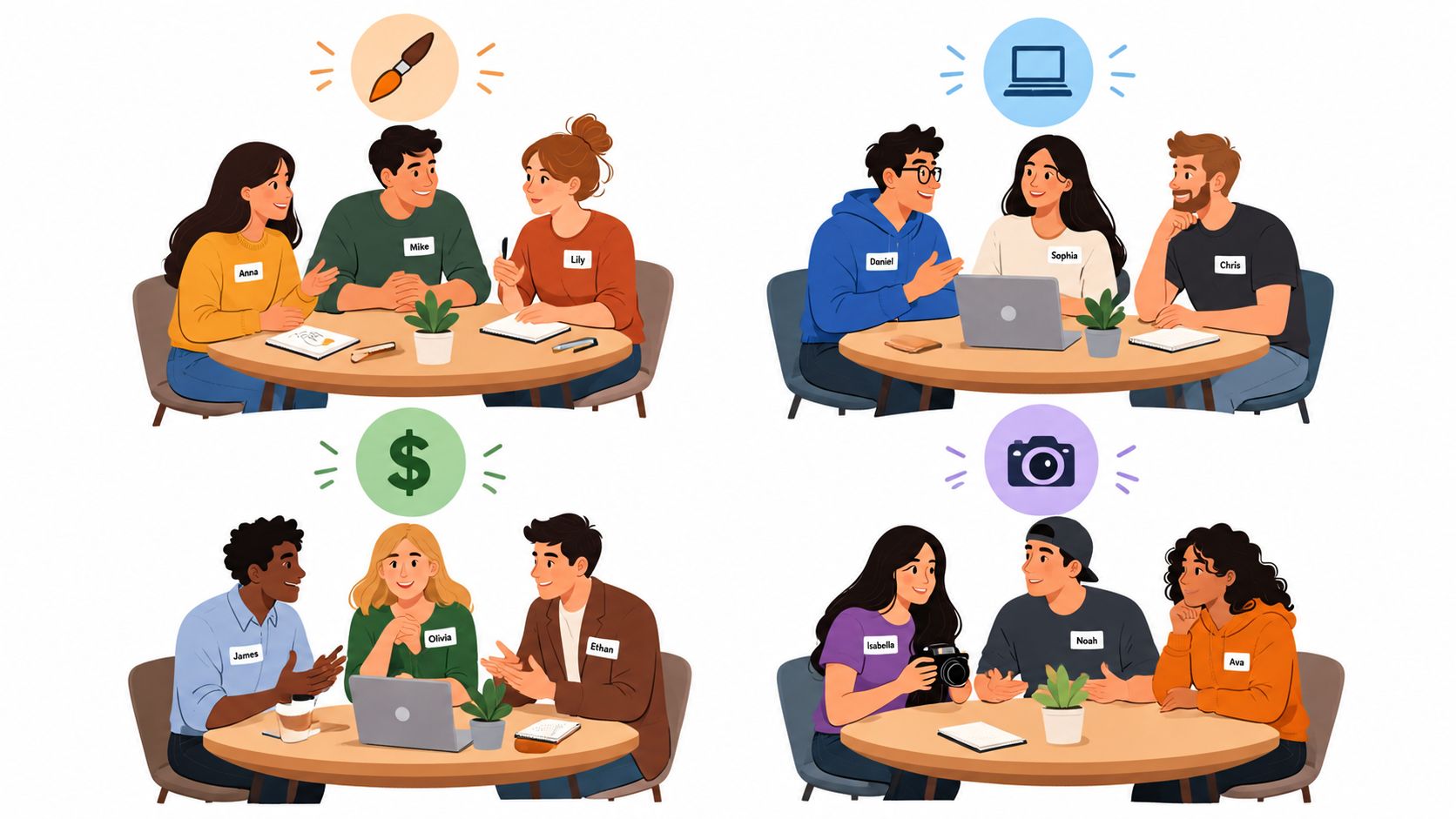
A skill-share works best when members teach something they use in real work. One participant might lead a practical session on digital marketing, while another demonstrates financial planning, graphic design, sales development, or client management. The value comes from useful instruction first, with networking emerging naturally from the exchange.
Use the Hall of Fame Room or Freeform Room with four round tables. Each table needs a host, a short prompt, a display or whiteboard, and enough space for participants to rotate between discussions. A morning version can serve remote professionals before the workday, while an evening version can suit owners and creative professionals who have daytime commitments.
Keep the format focused. Give each skill leader a simple presentation template with three parts: the problem, the method, and one exercise. Ask hosts to finish with, “What will you try before the end of the week?” A three-month programming calendar helps members recognize the session as a dependable part of the club rhythm rather than an occasional event.
Practical rule: Pair experienced members with emerging professionals, but don't turn the session into a lecture. The host should teach briefly, then let participants apply the idea.
Adult learning already has a broad base. Across OECD countries participating in PIAAC, about two in five adults engage in adult learning each year, with participation ranging from 58% in Norway to 13% in Korea. In the EU, 46.6% of adults aged 25 to 64 participated in education or training during the previous 12 months, while 64.2% reported informal learning. The OECD overview of adult learning patterns supports treating skill-shares as a repeatable service, not a novelty.
2. Speed Networking Events
Speed networking removes the awkward open-ended beginning of a traditional mixer. Seat members in pairs, give each person a clear conversation prompt, and use a bell or timer to signal each rotation. A five-minute exchange is long enough to identify a shared need and short enough to keep the room moving.
Prepare name tags with one useful fact, such as “helps restaurants improve local search” or “photographs commercial spaces.” Conversation cards can ask, “What are you building this quarter?” or “Which kind of introduction would help your business?” Mix industries intentionally. A designer paired with an accountant may find a more useful connection than two people who offer nearly identical services.
The Freeform Room is a practical fit because it can shift from paired seating to a short closing discussion. Plan a themed series around B2B services, creative professionals, local entrepreneurs, or hybrid teams. Partner refreshments from a local restaurant can make the event feel connected to Jenks rather than like a generic business function.
The trade-off is depth. Speed networking creates many first conversations, but it won't create strong relationships on its own. Send attendees a matched contact list within 48 hours, based on the needs they identified, and invite them to a follow-up coffee or member introduction.
For hosts who need more structure, this business networking event guide can support the run-of-show and follow-up process.
3. Executive Roundtable Discussions
An executive roundtable shouldn't resemble a panel with one person speaking while everyone else waits. Seat 8 to 12 senior leaders or business owners around one table in the Executive Room, and give the group a shared problem to examine. Suitable themes include scaling decisions, leadership development, hiring constraints, changing customer expectations, or market positioning.
Send the topic and preparation prompt two or three weeks ahead. Ask each participant to arrive with one challenge, one relevant piece of context, and one decision they need to make. The facilitator's job is to protect equal participation, challenge vague statements, and keep the discussion confidential.
Start the first meeting by agreeing on confidentiality, punctuality, and participation norms. A useful prompt is, “What decision are you avoiding, and what information would make it easier?” That question moves the group beyond general opinions and toward decisions members can act on.
The Executive Room can support a quiet, dinner-length format, especially when a local restaurant provides the meal. The trade-off is that exclusivity improves candor but limits scale. Don't let attendance expand until the table becomes a small conference. A smaller group with recurring meetings and peer accountability will usually create more value than a crowded leadership event.
Use a consistent agenda:
Opening check-in: Each participant names the issue requiring attention.
Focused case: One member explains a challenge without turning it into a sales pitch.
Peer responses: Others ask questions before offering recommendations.
Commitment: The presenter names one next action and a date for reviewing progress.
A clear executive meeting agenda template can help the facilitator maintain that discipline.
4. Collaborative Project Workshops
Some workshop activity ideas create conversation. A collaborative project workshop creates an asset. Members work together on a defined challenge, such as a local marketing campaign, a nonprofit communication project, a new service prototype, or a content package for a small business.
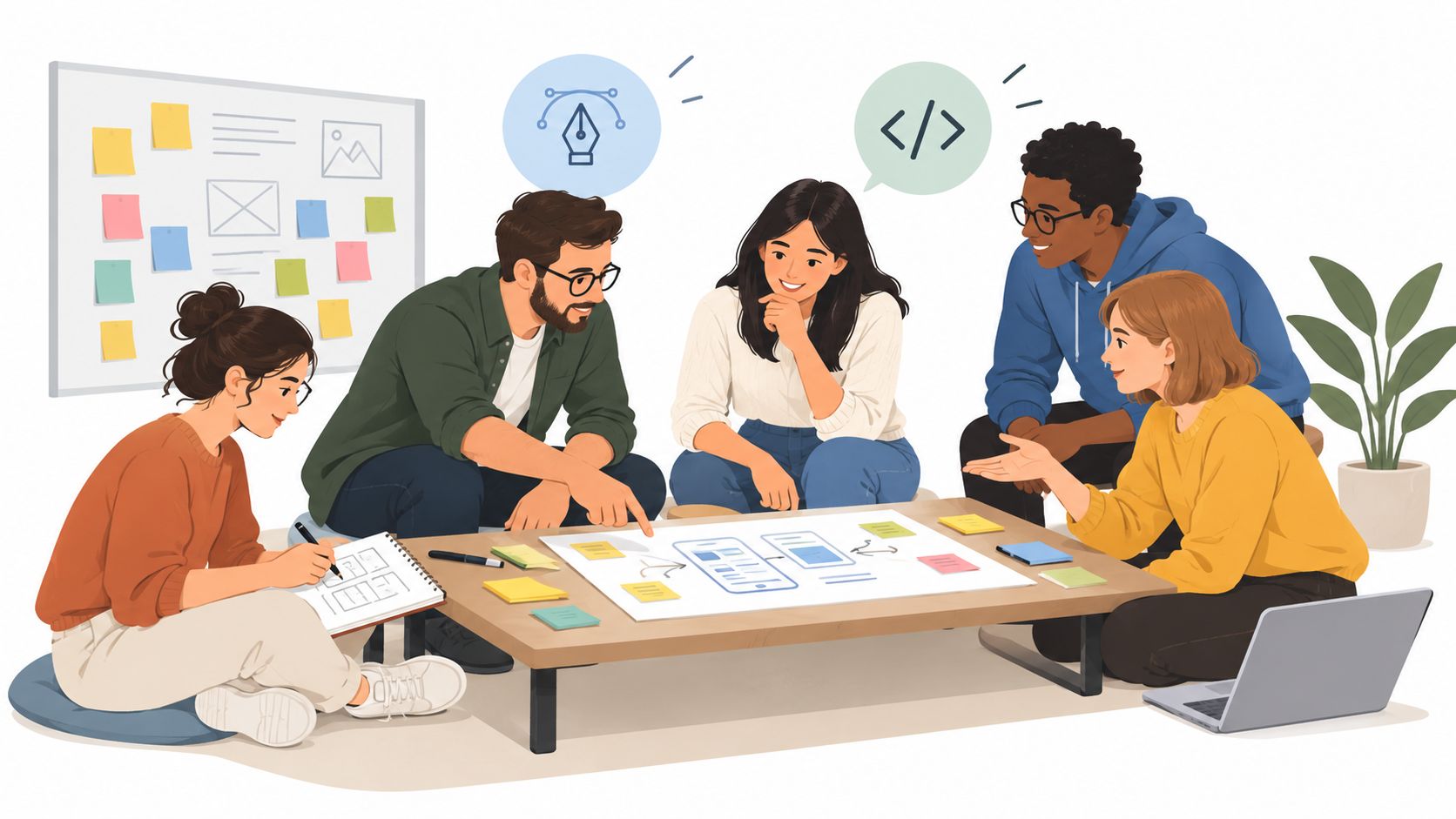
The best version runs for 4 to 8 weeks, with a weekly 90-minute working session at the same time and on the same day. Use The Rise loft studio for visual work, creative production, and project showcases. Arrange tables by function, not hierarchy. A writer, designer, strategist, photographer, and project lead should be able to work side by side.
At the first meeting, agree on the scope, deliverable, decision-maker, and definition of done. Put the project plan in Asana or Notion, assign owners to each task, and appoint one project lead to keep work moving between meetings. Without that structure, the workshop becomes an appealing series of brainstorms with no finished result.
A useful opening prompt is, “What must exist at the end of this program for the project to count as complete?” Ask the team to answer in observable terms, such as a campaign draft, landing page, prototype, event plan, or recorded asset.
The model resembles a design sprint, but it needs a realistic pace for members who still have client work. Celebrate completion with a showcase or client presentation. Document the process only with participant permission, especially if the project involves confidential business information.
5. Guest Expert Seminar Series
A guest seminar gives members access to knowledge they don't have to build alone. Invite an author, entrepreneur, financial specialist, creative director, or technology practitioner to address a specific member need. Strong subjects include personal branding, financial planning, practical AI adoption, leadership, customer research, and local market opportunities.
Book speakers well ahead and choose topics from member surveys rather than relying on whoever is available. A precise title, such as “How to Turn Client Expertise Into a Weekly Content System,” will attract a more relevant audience than “Marketing Trends.”
The Hall of Fame Room can be arranged for presentation, discussion, and informal conversation afterward. Build a short exercise into the session. For example, after a talk on personal branding, participants can draft a positioning statement and receive feedback from a partner. Passive listening may feel polished, but it gives members little reason to return.
Record the presentation for the member video library or podcast workflow, provided the speaker approves. The in-house podcast booth can support a short follow-up interview, while The Rise loft studio can provide a more visual setting for demonstrations.
A guest speaker should leave members with a decision, draft, or experiment, not just a collection of notes.
The trade-off is cost and consistency. An outside expert may require a fee, travel support, or careful scheduling. Freeform House can also invite local organizations to share promotion and production responsibilities. A lunch-and-learn format with food from a partner restaurant can make the seminar useful for members who can't attend an evening event.
6. Mastermind Groups
A mastermind group needs commitment more than production value. Bring together 4 to 6 members with compatible levels of responsibility but different experiences. Each person arrives with a current goal or challenge, receives focused peer input, and leaves with a specific action before the next meeting.
The Thomas Room or Executive Room can provide the quiet, regular setting these groups need. Meet bi-weekly or monthly, always at the same time and place when possible. A shared document should record each member's goal, commitment, and follow-up note. The purpose isn't to create a polished event. It's to create a dependable accountability structure.
Use a written agreement covering confidentiality, punctuality, preparation, respectful challenge, and attendance. A simple session flow works well:
Goal review: What did each member commit to last time?
Hot seat: One member explains a challenge and desired outcome.
Peer advice: The group asks questions, then offers relevant experience.
Action commitment: The member names the next step and review point.
The facilitator should stop advice that becomes abstract or self-promotional. Ask, “What would you do next if you had to test this before the next meeting?” That keeps the conversation practical.
Masterminds are a longer commitment, often 6 to 12 months, so the group should review its health at the six-month point. If trust hasn't formed, the issue may be the member mix, unclear expectations, or inconsistent attendance. Freeform House can offer an orientation session for new groups, then let the members rotate facilitation or hire an external facilitator for difficult conversations.
7. Workshop and Coworking Intensive Days
A workshop and coworking intensive turns learning into immediate execution. Start with a focused skill session, such as advanced social media strategy or financial planning for growth, then give participants several hours to apply the work while peers and a facilitator remain available.
A manageable schedule might run from 9 a.m. to 3 p.m. or 10 a.m. to 2 p.m. Front-load instruction while attention is strongest. Afterward, move participants into clearly marked work zones in The Rise loft studio or a collaborative room. Give each person a checklist with a concrete output, such as a campaign outline, financial model, sales sequence, or content brief.
The transition between teaching and work is where this format succeeds or fails. Provide a short break, refreshments, and a technology support station for tool questions. Pair members as accountability partners and ask them to check in at a defined point during the coworking block.
Facilitators increasingly use digital tools for planning and evaluation. A 2025 facilitation survey summarized by Guideflow's facilitation software overview reported ChatGPT usage among facilitators rising from 36% in 2023 to 62.1% in 2024, with 40.2% using SessionLab and 8.6% using no evaluation tools, based on 1,054 responses from 3,697 individuals. Those figures support building agenda planning, polling, and post-session feedback into the day rather than treating measurement as an afterthought.
Facilitator prompt: “What will be finished before you leave, and what could stop you from finishing it?”
The trade-off is time. A full-day program can be valuable, but it must feel productive rather than padded. A shorter schedule with a defined artifact is often easier for working members to attend.
8. Industry-Specific Cohort Programs
A cohort creates a temporary sub-community inside the club. Bring together people with a shared professional context, such as a Marketing Leaders Cohort, Women Entrepreneurs Collective, or Creative Professionals Accelerator. Each participant should have enough common ground to understand the problems in the room, but enough difference in experience to make peer learning useful.
Run the cohort for 6 to 8 weeks, meeting weekly on a consistent day and time. Keep the group to 10 to 15 people so participants can build familiarity without losing individual attention. Combine expert instruction with peer discussion, short exercises, and a workbook that members use between sessions.
Survey members before choosing the first industry. Then recruit alumni or experienced members as advocates and invite prospective participants to a trial session. The Freeform Room can support the weekly meetings, while the in-house podcast booth can record selected sessions for members who can't attend live. Recording shouldn't replace participation, especially when the strongest value comes from confidential discussion.
Use a clear opening prompt: “What problem does your profession face that outsiders usually misunderstand?” That question establishes the cohort's shared context quickly.
Plan a graduation event in the Hall of Fame Room, where members can present their work, reflect on progress, or invite selected guests. Continue the relationship with informal subgroup meetups after the formal program ends.
Cohorts require more administration than one-off workshops. The organizer must manage applications, attendance, materials, speaker coordination, and group dynamics. In return, the format can create durable relationships and a natural pathway from a single event into deeper member participation.
9. Problem-Solving Workshops and Case Study Sessions
A live case clinic gives one member a real business problem and gives the group a reason to think carefully. The presenter might bring a stalled sales process, a difficult hiring decision, a customer retention issue, or a launch plan that isn't converting. The case must be specific enough to solve and safe enough to discuss publicly.
Use a 90-minute format in the Executive Room or Freeform Room:
Case presentation: The member explains the challenge, current situation, constraints, and desired outcome.
Clarifying questions: Participants ask for context without offering solutions.
Facilitated brainstorm: The group develops several possible approaches.
Action recommendations: The presenter chooses one next step and defines follow-up.
Pre-screen cases for confidentiality and relevance. Give presenters a template with the headings Challenge, Current Situation, Constraints, and Desired Outcome. A skilled facilitator should use a timer and interrupt politely when the discussion drifts into unrelated advice.
The most important moment comes at the end. Ask, “Which recommendation will you test first, and what evidence will tell you whether it worked?” Follow up with the presenter after 30 days, then share a short learning summary with the group if the presenter approves.
This format reflects the practical value of workshop learning. In the Netherlands, 40% of the working population attended a workshop in 2011, compared with 41% who participated in a short or long training course. The same study found that 32.5% took a short course and 12% took a long course, placing targeted formats close to conventional training in adult learning behavior. The study of workplace learning formats in the Netherlands provides useful context for choosing practical case work over a long presentation.
10. Digital Content Creation Bootcamp
A content bootcamp should end with published work, not just an explanation of editing software. Members choose a clear topic, define the audience, learn the production basics, and create a LinkedIn article, podcast episode, video, or blog post through a structured series of sessions.
The Rise loft studio and in-house podcast booth make the format especially practical. Start with topic clarity and story structure, then cover microphones, lighting, recording, editing, publishing platforms, and content reuse. Give each participant a content template and an editing checklist. Content buddies can exchange feedback between sessions, while optional one-on-one coaching helps members who need support with their first recording or draft.
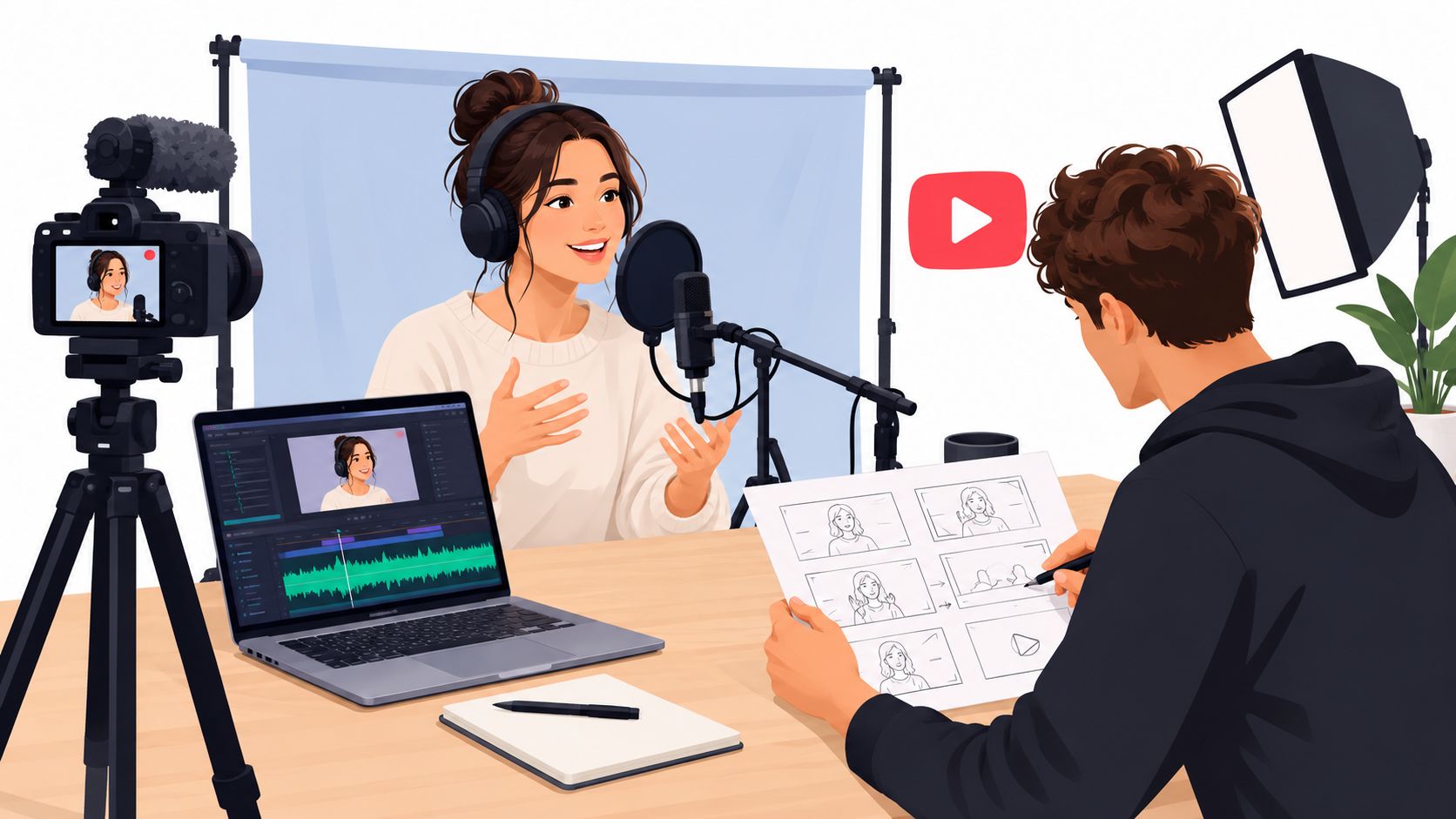
Invite a local podcast producer, videographer, or experienced creator to demonstrate the equipment. Participants can teach one another, too. A photographer may help with visual composition, while a business owner may offer a strong lesson in customer stories or subject-matter expertise.
The program needs a production schedule. Reserve time for recording, rough cuts, peer review, revisions, and publishing. Offer continuing office hours after the bootcamp and finish with a showcase or listening session.
For a practical companion to the program, use this guide on how to start content creation.
A short interview or behind-the-scenes segment can extend the learning into a member media library. Place that recording after the main workshop rather than treating the booth as decoration.
Workshop Activity Ideas: 10-Point Comparison
Program | Implementation Complexity 🔄 | Resource Requirements ⚡ | Expected Outcomes ⭐📊 | Ideal Use Cases 💡 | Key Advantages ⭐ |
|---|---|---|---|---|---|
Skill-Share Networking Sessions | Low–Moderate, volunteer coordination & scheduling | Low, meeting room, volunteer presenters, optional recording | ⭐⭐⭐⭐, stronger community bonds, recurring peer learning | Peer-to-peer learning, mentorship, member showcases | Cost-effective; builds community and credibility |
Speed Networking Events | Moderate, timed rotations, participant matching | Low–Moderate, space, timer/staff, name tags | ⭐⭐⭐, many quick introductions; measurable contact volume | Large mixers, themed industry nights, introverts | Highly efficient; easy to measure and scale |
Executive Roundtable Discussions | High, curation, skilled facilitation required | Moderate–High, private room, facilitator, possible fees | ⭐⭐⭐⭐⭐, deep strategic insights, trust, referrals | Senior leaders, confidential peer advisory groups | High-impact advisory experience; boosts retention |
Collaborative Project Workshops | High, project management and coordination | Moderate, workspace, tools, committed participants | ⭐⭐⭐⭐, tangible deliverables, portfolios, case studies | Cross-disciplinary product/campaign development | Produces real work and long-term partnerships |
Guest Expert Seminar Series | Moderate, speaker booking, promotion & AV logistics | High, speaker fees, tech for recording, marketing | ⭐⭐⭐⭐, thought leadership, member development, visibility | Public talks, member education, recruitment drives | Attracts prospects; scalable recorded content |
Mastermind Groups | Moderate, careful member matching & agreements | Low–Moderate, meeting space, facilitation optional | ⭐⭐⭐⭐⭐, measurable outcomes, deep accountability, retention | Long-term peer accountability and growth goals | Highest retention; strong member advocacy |
Workshop + Co-Working Intensive Days | Moderate, pacing, full-day logistics | Moderate, instructor, space, catering, tech support | ⭐⭐⭐⭐, immediate application and productivity gains | Busy professionals who need learning + execution | Converts learning into action; high engagement |
Industry-Specific Cohort Programs | High, curriculum design, targeted recruitment | High, expert instructors, promotion, cohort materials | ⭐⭐⭐⭐⭐, specialized networks, strong engagement, retention | Sector-focused skill building and networks | Creates niche communities; premium pricing potential |
Problem-Solving Workshops & Case Study Sessions | Moderate, case pre-screening & facilitation | Low, room, facilitator, case templates | ⭐⭐⭐⭐, practical solutions, peer expertise visibility | Members with concrete business challenges | High practical value; low facilitation cost |
Digital Content Creation Bootcamp | High, curriculum, technical instruction, coaching | High, studio/booth access, equipment, instructors | ⭐⭐⭐⭐⭐, publishable content, increased visibility | Creators, entrepreneurs seeking thought leadership | Tangible content outcomes; leverages unique studio assets |
Build a Repeatable Workshop Calendar
Freeform House doesn't need ten new programs running at once. A balanced calendar starts with one low-lift networking format, one recurring peer-learning format, one deeper commitment, and one signature experience that produces a visible result.
Speed networking is a practical low-lift option because the setup is simple and the subject can change each month. A skill-share or case clinic provides recurring peer learning without requiring a long enrollment commitment. A mastermind or cohort creates deeper continuity for members who want accountability and professional relationships beyond a single evening. A collaborative project or content bootcamp gives the calendar a signature production experience with a tangible outcome.
Start with one pilot session. Choose a clear audience, define the output, and invite enough people to create useful interaction without overcrowding the room. Afterward, ask participants what helped, what slowed them down, and what they'd change before attending again. Don't treat feedback as a general satisfaction score alone. Ask whether they completed the intended action, made a useful connection, or left with a decision they can carry into their work.
Refine the physical experience as carefully as the agenda. A room that works for a presentation may be wrong for a case clinic. Round tables support peer exchange, while a quiet executive room supports confidential discussion. The Rise loft studio suits visual collaboration and production, and the podcast booth supports recorded content when the recording serves a clear member need.
Use digital polling, shared documents, or a collaborative whiteboard when they improve participation. Hybrid sessions need deliberate bridge tactics, including a shared digital board, a producer or technical host, and paired in-room and remote participation. Even an in-person workshop can benefit from a digital record of decisions and next steps, especially when members need to continue work after leaving the building.
Before publishing the calendar, confirm:
Audience: Who should attend, and what context do they share?
Outcome: Will participants leave with a decision, draft, connection, skill, or completed asset?
Group size: Does the format require a small confidential circle or a larger teaching room?
Setup: Which room, table arrangement, technology, and accessibility features support the activity?
Materials: Have you prepared prompts, templates, name tags, workbooks, timers, and shared documents?
Facilitation: Who will manage time, participation, questions, and difficult moments?
Accessibility: Can participants move, hear, see, join remotely, and contribute in different ways?
Follow-up: Who will send resources, introductions, recordings, and action reminders?
Photography: Are images realistic and authentic, showing people actively collaborating rather than posing or looking like clip art?
Freeform House's restored 1920 building, four rooms, coworking areas, The Rise loft studio, and podcast booth give organizers several ways to match the space to the work. The strongest program won't rely on the room alone. It will connect the right people, prompt, materials, and follow-up so members leave with something useful and a reason to return.
Freeform House offers members a restored downtown Jenks workspace with flexible rooms, coworking areas, The Rise loft studio, and an in-house podcast booth for workshops, collaboration, and content production. Visit Freeform House to explore a practical setting for your next member session, team workshop, or peer-learning program.
Comments