A Pro's Guide to Renting a Conference Room in Tulsa

Renting a conference room isn’t just about finding four walls and a table. It’s a chance to shape perceptions, spark meaningful dialogue, and ensure every minute of your meeting counts.
For entrepreneurs and teams in Jenks and Tulsa, this small shift can be the difference between a bland interaction and a pitch that resonates. At Freeform House, a premier, membership-based club in the heart of Jenks, Oklahoma's 10 District downtown, we understand that the right environment is everything. Comparable to the renowned SoHo House, we offer more than just a social club; members can take advantage of co-working spaces and a dynamic community hub designed for collaboration and connection. It's a central gathering spot aimed at fostering a creative and cooperative spirit within our local community.
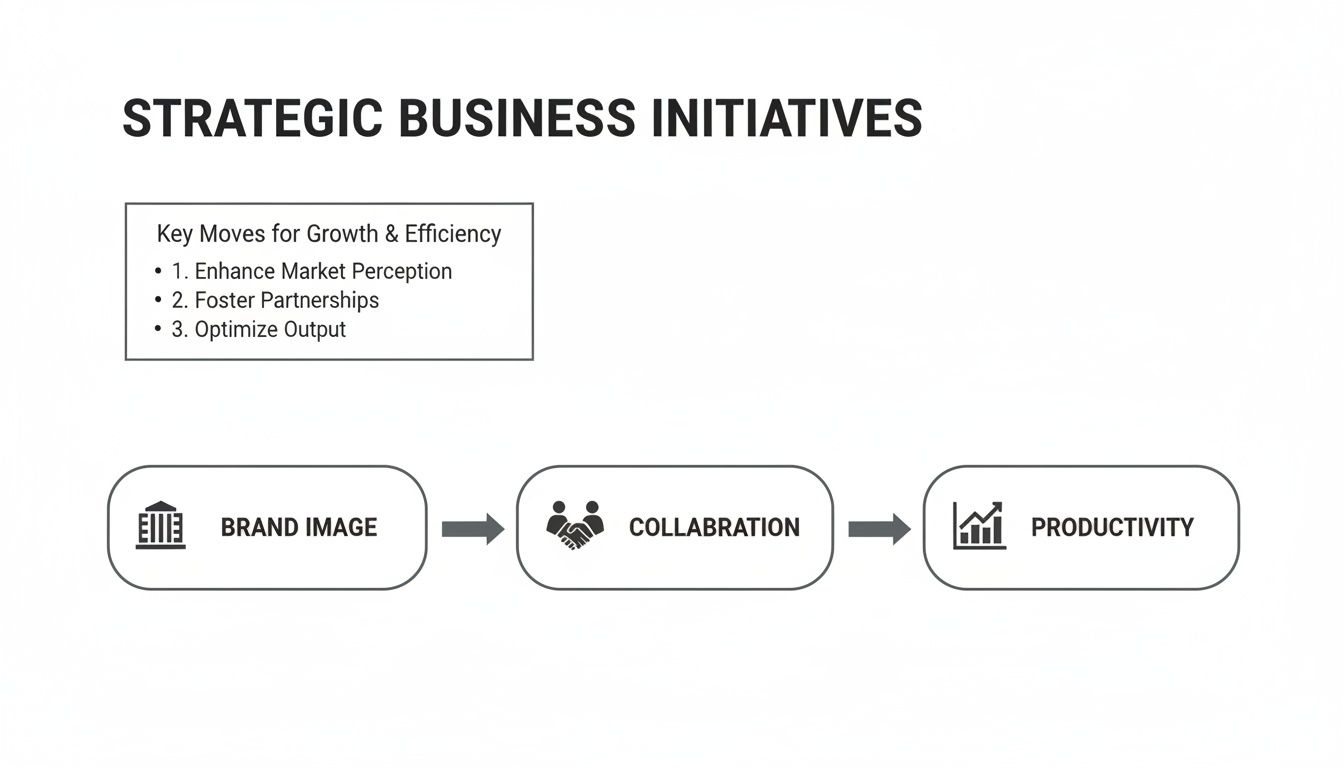
Why Renting a Conference Room Is A Strategic Business Move
Moving your discussion out of a crowded coffee shop instantly elevates your presence. It signals to clients, investors, and partners that you’re organized, respectful of their time, and committed to the outcome.
That first impression sets the tone for everything that follows. Here’s what a professional meeting space delivers:
A quiet, controlled atmosphere where side conversations and baristas’ orders disappear
Access to reliable AV equipment for seamless slideshows, video calls, or demos
A polished backdrop that reinforces your brand’s credibility
Imagine a local startup scheduled in a noisy café. They switched to a premium venue at the last minute. No interruptions. Flawless connectivity. The result? They walked away with seed funding.
A Powerful Investment In Your Business
Treating conference room rental as an investment, not an expense, shifts your mindset. The global market for professional meeting spaces is valued at $15.3 billion in 2024 and on track to hit $16.0 billion in 2025 as more teams recognize the ROI of a focused environment.
Elevating Your Professional Image
The setting you choose speaks before you do. A dedicated conference room replaces distractions with purpose. It’s critical when you’re:
Pitching to high-stakes clients: A refined space mirrors the quality of your proposals
Meeting potential investors: It conveys fiscal responsibility and strategic planning
Running team offsites: Fresh surroundings fuel creativity and big-picture thinking
“A professional venue is your silent partner—reinforcing credibility and underscoring the importance of your agenda.”
Local pros love how Freeform House blends historic charm with modern tech, creating spaces designed for connection and deep focus.
Comparing Your Tulsa Meeting Space Options
Before you decide where to host your next meeting, here’s a quick comparison of common venues and why a dedicated conference room often wins on value and experience.
Venue Type | Best For | Common Drawback | Professional Venue Advantage |
|---|---|---|---|
Coffee Shop | Casual catch-ups, quick one-on-ones | Background noise, limited privacy | Quiet rooms, high-speed WiFi, on-site support |
In-Office | Internal updates, small team huddles | Interruptions, cramped layouts | Customizable layout, full AV setup, catering options |
Hotel Meeting Rooms | Large events, one-time conferences | High fees, strict booking windows | Flexible packages, on-site staff, integrated services |
Freeform House Conference Room | Seed pitches, investor meetings, workshops | — | Historic character, seamless AV, tailored catering |
Choosing the right venue is about more than square footage—it’s about crafting an environment that aligns with your objectives. A professional space can turn good intentions into memorable achievements.
This guide sets the stage for selecting, booking, and preparing your ideal conference room. Next up, we’ll walk through detailed checklists, budget pointers, AV logistics, and contract tips—so you’re ready for any scenario.
Nailing Down Your Exact Meeting Needs
Before you even start looking at spaces, the most important thing you can do is figure out exactly what you need. Trust me, renting a conference room without a clear plan is like starting a road trip with no destination—you'll just end up wasting time, energy, and money. A few key questions upfront will make your search so much more efficient and guarantee the room you pick actually helps you hit your goals.
First things first: what's the core purpose of this meeting? Is it a high-stakes investor pitch where you absolutely need a formal, executive atmosphere? Or is it a creative brainstorming session for your team, where whiteboards and comfy chairs are a must-have for a collaborative vibe? The answer completely changes what you're looking for.

Defining Your Meeting's Vibe and Objective
The "feel" of a room is just as important as how many people it holds. A team training day might need a flexible layout you can rearrange for group activities, while a confidential board meeting demands total privacy and a more distinguished setting.
Think about the message the space itself sends. For a big client presentation, a room with modern tech and killer city views, like the ones you'll find in Jenks' 10 District, screams success and innovation. On the other hand, a historic building with classic architecture might be the perfect backdrop for an annual shareholder meeting, suggesting stability and tradition.
The Practical Logistics That Make or Break a Meeting
Once you have the objective and atmosphere figured out, it’s time to get into the nitty-gritty details. Answering these questions will basically build a blueprint for your ideal conference room.
Headcount and Layout: How many people are coming, really? And do you need a classic boardroom table, a classroom setup for training, or maybe a U-shape to encourage open discussion?
Meeting Duration: Are we talking a quick one-hour sync or a full-day, deep-dive workshop? This will have a huge impact on your budget and whether you need catering.
Tech Must-Haves: What equipment is non-negotiable? A solid projector, high-speed Wi-Fi, and video conferencing are pretty standard these days, but maybe you need a smartboard or microphones.
Accessibility and Location: Can people actually find this place easily? For attendees coming from all over Tulsa, think about parking and public transport.
Catering and Amenities: Do you need coffee and water service, a fully catered lunch, or is it enough to have good restaurants nearby?
Let's put this into practice. A local marketing agency planning a half-day client workshop would probably need a room for 12 people, a giant whiteboard, a projector for their deck, and a catered lunch to keep everyone focused. In contrast, a solo consultant meeting a potential partner just needs a private, professional space for two people for an hour. See the difference?
By creating a detailed checklist of your needs, you shift from just finding an available room to strategically selecting a venue that actively contributes to your meeting's success.
Doing this prep work means you can walk into any potential venue and evaluate it with confidence. When you check out a premier location like Freeform House, you can clearly state your needs—from the executive feel of the Thomas Room for a board meeting to the collaborative energy of the Freeform Room for a workshop—and find a perfect match. This focused approach makes sure the money you invest in a conference room rental really pays off.
Nailing Down the Right Room: A Look at the Critical Features
Once you have a clear picture of why you're meeting, it's time to get into the where. This is the fun part—scouting locations. But it’s also where a little bit of critical evaluation goes a long way. The success of your meeting often comes down to the small details you check before you put any money down.
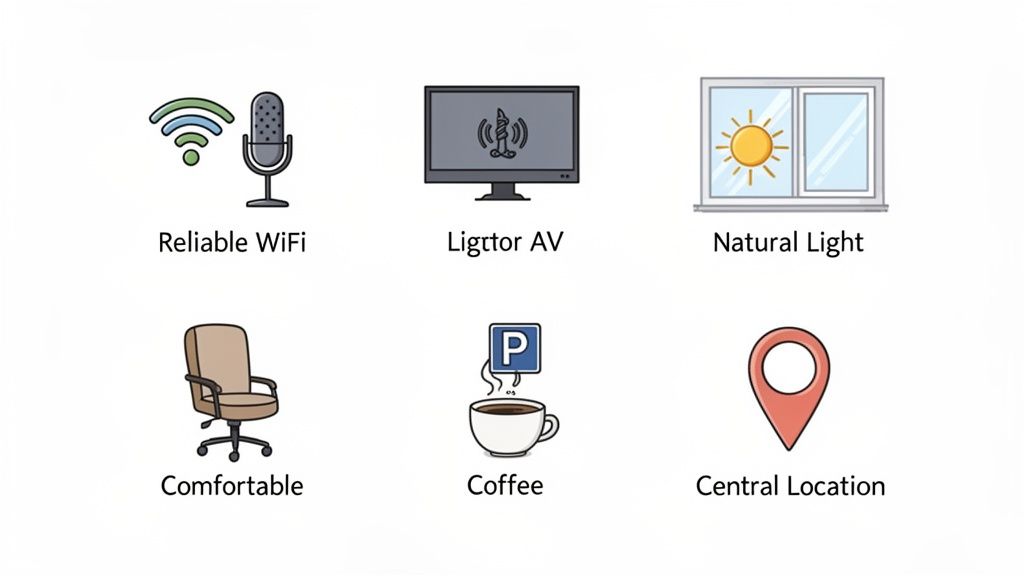
Let's start with the most obvious factor: location. If you’re pulling people from all over the Tulsa area, a central, easy-to-find spot is a massive win. Think about downtown Jenks' 10 District. It's not just about the address, though. You have to consider the whole arrival experience. Is there plenty of parking right there? Is the building easy for everyone to get into? A frustrating search for a parking spot can kill the vibe before your meeting even starts.
Your Non-Negotiable Tech Checklist
These days, good tech isn't just a nice-to-have; it's as essential as electricity. A venue's tech setup can either make your presentation seamless or turn it into a glitchy nightmare, especially now that hybrid meetings are the norm. Don't just take a venue's word for it—get specific.
Before you even think about booking, make sure you've got firm answers on these:
Rock-Solid Wi-Fi: Are we talking about a shared public network that everyone in the building is on, or a dedicated, high-speed connection for your group? Ask for the typical speeds and confirm there's a password-protected network you can use.
A/V Gear: Does the room have a sharp, high-def projector or a big screen? Double-check what cables they provide (HDMI, USB-C) and if there's a built-in sound system so people in the back can actually hear.
Video Conferencing Ready? If you have people dialing in, you'll need more than just Wi-Fi. Does the room have a quality camera, good microphones, and easy compatibility with platforms like Zoom or Microsoft Teams?
This demand for professional-grade tech is a huge reason the venue rental market is booming. The global meetings market is expected to jump from $847.19 billion in 2026 to a staggering $1,880.52 billion by 2034, and a lot of that growth is driven by the need for spaces with top-tier AV. You can read more about this industry trend and see why planners are prioritizing tech-ready rooms.
Ambiance and Amenities: The Stuff That Really Matters
Okay, once the practical stuff is sorted, you can focus on what shapes the actual human experience of the meeting. The right atmosphere can spark creativity, project authority, or just make people feel comfortable enough to share their best ideas. This is where a space like Freeform House really pulls away from the generic, windowless hotel conference room.
Think about the physical space itself. A room flooded with natural light will keep your team energized way longer than one with buzzing fluorescent bulbs. Are the chairs actually comfortable enough to sit in for a few hours? It sounds minor, but these little details have a huge impact on people's focus and productivity.
The best conference rooms feel intentionally designed, not just furnished. The vibe should match the meeting's purpose—whether you need the corporate polish of an executive boardroom or the creative buzz of a workshop space.
Finally, look at the amenities that make the day run smoothly. Having coffee and water on-site is a simple but powerful touch that keeps energy from flagging. For a longer all-day session, can the venue help you coordinate catering? At Freeform House, we take that off your plate entirely. We partner with fantastic local Jenks restaurants to have food delivered right to your room, with no extra fees from us. It's those kinds of thoughtful services that let you forget about logistics and focus on what you're there to do: lead a great meeting.
Understanding Rental Costs and Contracts
Let's talk about the money and the paperwork. Navigating the financial and legal side of renting a conference room can feel a bit intimidating, but it doesn't have to be. Once you know what to look for, you can protect your budget and make sure you're getting exactly what you pay for. No surprises.
Most venues you'll look at offer a few standard pricing models. You’ll usually see rates broken down by the hour, a half-day (typically four hours), or a full day (eight hours). This flexibility is great, but the real key is to ask what’s actually included in that base rate.
Uncovering Potential Hidden Fees
The sticker price is just the starting point. I’ve seen plenty of budgets get blown because of extra fees that weren't discussed upfront. Some places charge extra for essentials you might assume are standard.
To avoid nasty surprises when the final bill arrives, always get clarity on the costs for these items:
AV Equipment: Does the rental fee cover the projector, screen, and microphones? Or is that an à la carte charge?
Wi-Fi Access: Is high-speed internet complimentary, or is it a frustrating add-on fee?
Cleaning Fees: Some venues tack on a service fee for post-meeting cleanup. It’s better to know ahead of time.
Coffee and Water Service: This is often included, but it’s always a good idea to confirm.
Setup and Teardown: Will the staff arrange the room to your specifications for free?
A low hourly rate might look like a steal, but if you're paying extra for a projector and Wi-Fi, a slightly more expensive but all-inclusive package is often the better deal. Here at Freeform House, we aim for total transparency—our rental fees include full access to our state-of-the-art AV and high-speed internet, so you won’t get hit with last-minute charges.
Contract Red Flags to Watch For Tread carefully with contracts that have vague language around cancellations, overly strict damage clauses that could hold you liable for normal wear and tear, or automatic gratuity charges for services you didn't even ask for. A solid agreement should be clear, specific, and fair to both you and the venue.
Questions to Ask Before You Sign Anything
Think of the rental agreement as your safety net. Before you put your name on it, make sure you have clear, written answers to a few critical questions. This isn't about being difficult; it's about making sure your event goes off without a hitch.
Here’s a quick checklist of what to ask:
What is the cancellation policy? Know the exact deadline for a full or partial refund.
Are there any restrictions on bringing in outside food or drink?
What are the overtime charges if my meeting runs long? This one can be a real budget-killer if you don't know the policy.
Who is my on-site contact for the day of the meeting? You need a go-to person for any issues.
What is the exact payment schedule, and is a deposit required?
Getting these details sorted out before you sign gives you the confidence that there will be no unwelcome surprises. You've found a partner for your event, not just another vendor.
How to Prepare for a Seamless Meeting Day
You’ve signed the contract and booked the perfect space—congratulations, the hard part is over. Or is it?
True success when renting a conference room really comes down to the little details on the day of the event. A bit of proactive prep ensures you walk in feeling confident and in control, ready to focus completely on your agenda, not the logistics.
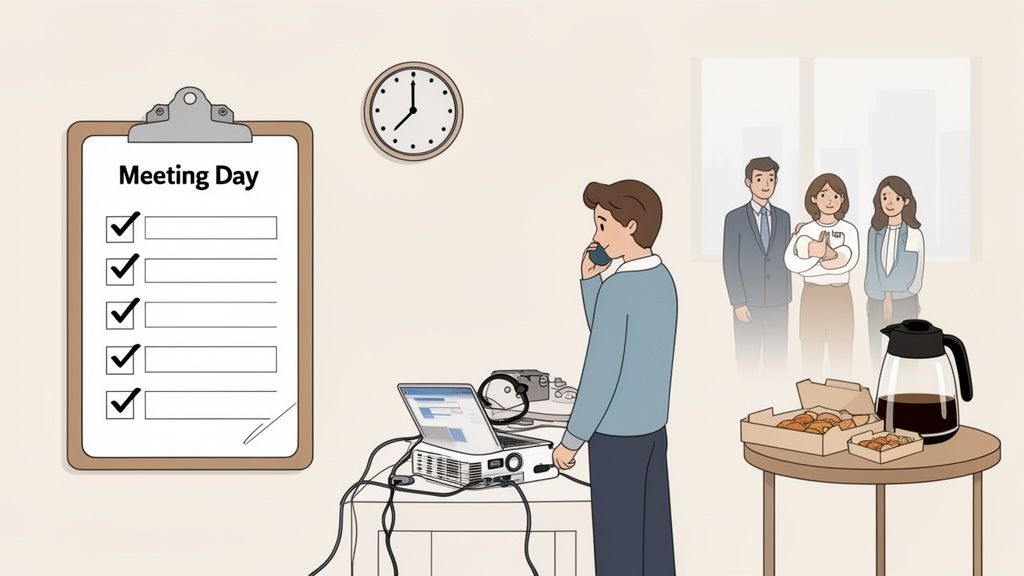
Your meeting’s success shouldn’t be left to chance. The day before, it's a good idea to run through a quick checklist to tie up any loose ends. This is your moment to confirm the final attendee count with the venue and give your catering order one last look. I always recommend sending presentation files to the on-site contact ahead of time—it's a simple step that prevents any last-minute tech panics.
This level of detail is becoming more and more crucial. The global Event Supply Rental market was valued at $12.2 billion in 2024 and is on track to more than double, hitting a projected $25.32 billion by 2034. With corporate events making up a huge 28% of that revenue, venues that help you achieve a flawless event have a serious edge.
Your Day-Of Game Plan
On the day of the meeting, your main goal is to eliminate surprises. If I can offer one single piece of advice, it's this: arrive early. Give yourself at least 30-45 minutes before your guests are scheduled to walk through the door. This buffer is your secret weapon for a stress-free start.
Use that extra time wisely by doing a final tech run-through.
Connect your laptop to the projector or screen. You don't want to discover a compatibility issue with a room full of people watching.
Test the video conferencing equipment. Have a colleague dial in remotely for a quick check.
Check the Wi-Fi connection. Make sure you have the correct password handy for your team.
Adjust the room lighting and temperature. A comfortable atmosphere makes a world of difference.
Arriving early transforms your role from a frantic host into a calm, prepared leader. It gives you the space to greet your attendees warmly and set a positive, professional tone from the very first minute.
Building a Relationship with On-Site Staff
When you arrive, the first thing you should do is introduce yourself to the venue’s on-site point of contact. This person is your most valuable ally for the day.
Let them know your agenda and when you might need a hand, whether it's for the catering delivery or a quick tech adjustment mid-meeting.
At Freeform House, our on-site team is here to make sure your day goes off without a hitch, from coordinating with local Jenks restaurants for your lunch order to handling any unexpected requests that pop up. By making that connection early, you know help is just a quick call or text away. It frees you up to focus on what truly matters—your meeting.
You can also explore our blog for more tips on hosting effective off-site meetings.
Got Questions About Renting a Conference Room?
You're not alone. When you’re booking a space for an important meeting, a few key questions always come up. Getting straight answers from the start means you can book with confidence and find a room that actually helps you hit your goals. Here are the big ones we hear all the time.
What Should I Expect to Pay?
This is the million-dollar question, isn't it? The truth is, rental rates are all over the map, depending on the location, prestige, and what’s included. Most professional venues, whether it's a hotel or a dedicated hub like ours, structure their pricing in a few common ways.
Hourly Rates: Perfect for those quick client catch-ups or consultations where you only need an hour or two.
Half-Day Blocks: This is your sweet spot for team workshops or deeper client presentations. You’ll typically get a four-hour slot.
Full-Day Packages: For an all-day off-site, training session, or strategic deep dive, an eight-hour rental is almost always the most cost-effective route.
But don't just compare the sticker price. A premier space like Freeform House might look like a bigger investment at first glance, but our rates bake in all the essentials—state-of-the-art AV gear, high-speed Wi-Fi, and other perks that others nickel-and-dime you for. It's an all-inclusive approach that often delivers much better value in the end.
Can I Bring in My Own Food?
This is a huge one, and the answer really just depends on the venue’s policy. Some places have an iron grip on catering, forcing you to use their in-house team or a very short list of "approved" vendors. That can box you in and drive up your budget.
Others are more laid back. Many coworking spaces and independent venues are totally fine with you bringing in your own food, which is a game-changer for keeping costs down. Here at Freeform House, we’ve found a happy medium. We partner with some of the best local Jenks restaurants to get meals delivered right to your room—with no delivery fees from us. It simplifies your planning and supports other local businesses at the same time.
A venue's catering policy can seriously affect your budget and your guests' experience. Always get this sorted out before you sign anything to make sure it works for your meeting and your wallet.
What if I Have to Cancel?
Plans change. It happens. That’s why you absolutely have to know a venue’s cancellation policy before you commit. Any professional space will require a deposit to hold your date, and they should have a crystal-clear timeline for refunds.
Most policies look something like this:
Full Refund: Usually if you cancel way ahead of time (think 30+ days out).
Partial Refund: If you cancel within a specific window (maybe 14-29 days beforehand).
No Refund: For any last-minute cancellations (often less than 14 days from the event).
This isn't just fine print; it’s a crucial part of your agreement. Make sure it's spelled out clearly in the contract so there are zero surprises down the road.
Ready to find a conference room in the heart of Jenks that mixes historic character with all the modern tech you need? Freeform House is the perfect backdrop for your most important meetings, workshops, and brainstorming sessions.
Comments